Philadelphia proposes to establish its own speed limits as part of the new Vision Zero report aimed at improving road safety.
In an ongoing effort to enhance road safety, Philadelphia city officials are seeking to gain authority from the state government to set its own speed limits. Currently, state law prohibits municipalities from making such determinations, prompting transportation officials to advocate for legislative change in Harrisburg that would allow for speed limits more aligned with the city’s density and urban dynamics.
This initiative is prominently featured in the city’s newly released Vision Zero report, which will serve as a framework for traffic safety initiatives over the next five years. As expressed by Christopher Puchalsky, director of policy and strategic initiatives at the Office of Transportation and Infrastructure Systems, the primary goal is to collaborate with state lawmakers to foster a safer driving environment.
The prevailing system in Pennsylvania, like many other states, utilizes the 85th percentile rule to establish speed limits. This method, which prescribes that speed limits be set based on how fast 85 percent of drivers are traveling in a given area, emerged from studies conducted on rural roads in the mid-20th century. However, recent trends indicate a shift among traffic engineers and safety agencies towards policies designed to reduce injuries and fatalities on the roads.
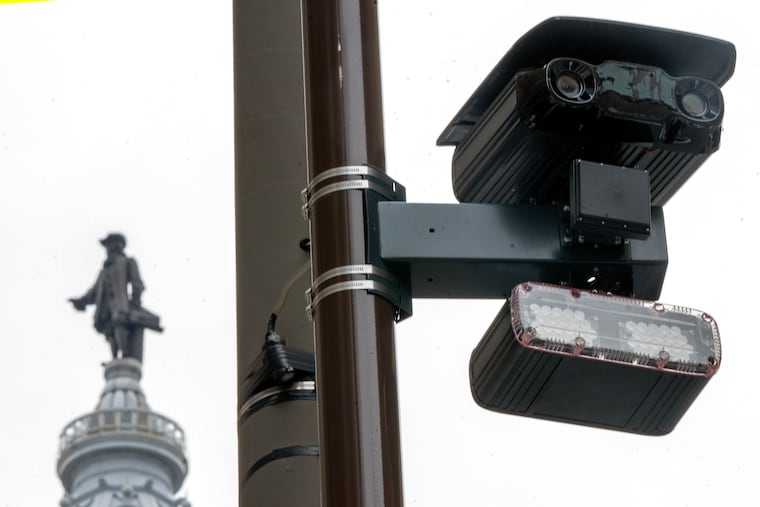
For the city to obtain permission to establish its own speed limits, Pennsylvania’s legislature would need to amend the state vehicle code. Additionally, Philadelphia is aiming to broaden the implementation of automated enforcement measures, including speed cameras and red-light cameras, which would also necessitate legislative support.
Recent statistics reveal that traffic fatalities remain a pressing issue for Philadelphia. In 2024, the city recorded 120 deaths resulting from vehicle accidents, a figure that reflects a modest decline since 2020, yet signifies a 41 percent increase compared to 2015, when the Vision Zero program began. Kelley Yemen, director of the city’s multimodal planning department, noted the concerning upward trend in fatalities, especially following the pandemic.
Philadelphia’s traffic safety metrics illustrate a stark contrast to other major cities, with a rate of 8.48 traffic-related deaths per 100,000 people, notably higher than New York City’s rate and akin to that of Los Angeles. Community advocates have criticized the current safety measures, arguing that the strategies proposed may not sufficiently address the alarming increase in traffic-related deaths.
The recent Vision Zero report highlights speeding as a significant contributor to serious crashes in the city, with instances of speeding responsible for nearly 19 percent of severe accidents from 2020 to 2024. Other contributing factors include alcohol impairment, red-light violations, and distracted driving.
Engagement with the local community revealed that speeding is a principal concern for many residents, alongside issues such as red-light running. The city has received backing for stricter enforcement through automated measures and infrastructure changes aimed at enhancing safety, particularly around schools and public parks.
Moving forward, Philadelphia plans to develop a spending strategy for upcoming safety projects, with the aim of securing funding from city resources as well as state and federal grants. The forthcoming budget, set to be drafted in early 2026, will play a critical role in shaping these safety initiatives, as community leaders emphasize the importance of regular updates and transparency in the city’s traffic safety efforts.
Media News Source