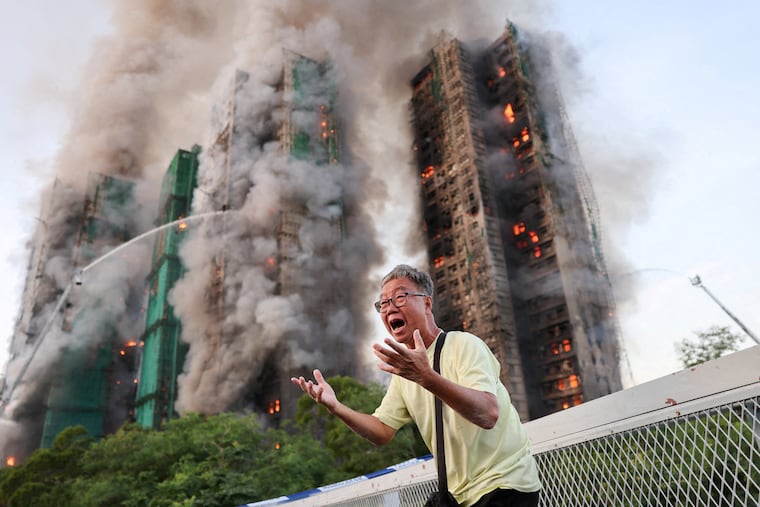
Hong Kong fire challenges China’s control over the region.
A catastrophic fire in a high-rise apartment complex in Hong Kong has resulted in the deaths of at least 55 individuals, with nearly 300 residents reported missing. This tragedy represents a significant challenge to the Chinese government, which has made substantial changes to the political landscape of Hong Kong following the pro-democracy protests of 2019.
In recent years, Beijing has implemented extensive legislative changes that have effectively silenced dissenting voices, with elections now restricted to “patriotic” candidates. The next legislative council election is scheduled for December 7, amid rising tensions and scrutiny over the government’s response to the fire.
As the city grapples with the aftermath of this tragedy, the community is also preparing for the sentencing of media mogul Jimmy Lai, a leading figure among pro-democracy activists facing severe sentences under national security laws. Analysts suggest that the handling of this fire may significantly impact public perception of the Hong Kong government, raising concerns over systemic safety issues within the municipal infrastructure.
Initial reports have raised alarm over potential negligence in safety protocols, as residents voiced doubts regarding the operational status of fire alarms and the integrity of construction practices, particularly involving traditional bamboo scaffolding. The anger and frustration among residents have been palpable, with some attributing the fire to cost-cutting measures and inadequate safety standards enforced by authorities.
In the wake of this incident, Chinese President Xi Jinping urged an “all-out effort” to manage the crisis and minimize further casualties. His appeals were echoed by Hong Kong’s Chief Executive John Lee, who emphasized the necessity of extinguishing the fire and safeguarding the affected residents.
As investigations unfold, police have identified the construction company responsible for ongoing renovations as a focal point for accountability. Three officials from the company have been arrested on suspicions of manslaughter related to the fire’s rapid escalation. Early indications suggest a failure to adhere to fire safety regulations, with reports that some buildings were improperly fitted with materials that may have exacerbated the blaze.
The implications of this tragedy extend beyond immediate safety concerns, as analysts anticipate increasing scrutiny of the government’s fire safety and building regulations. Public sentiment, as reflected in various online forums, suggests growing pressure on authorities to conduct thorough and transparent investigations into the fire’s causes and the overall adequacy of safety practices in Hong Kong’s construction industry.
Historically, major incidents in Hong Kong have prompted government-led inquiries, often guided by independent judges. The comparison to a 1996 Kowloon fire that resulted in significant loss of life underscores the need for comprehensive reviews of safety regulations and oversight across the industry. As public outcry intensifies, calls for reform may pressure the government to take substantial actions to prevent future tragedies.
In summary, the recent high-rise fire in Hong Kong serves not only as a focal point for public grief and anger but also as a critical test for the effectiveness and accountability of the city’s governance amid ongoing political turmoil. The outcomes of this situation could have lasting impacts on public trust in the government and the future of fire safety regulations in the region.
Media News Source.