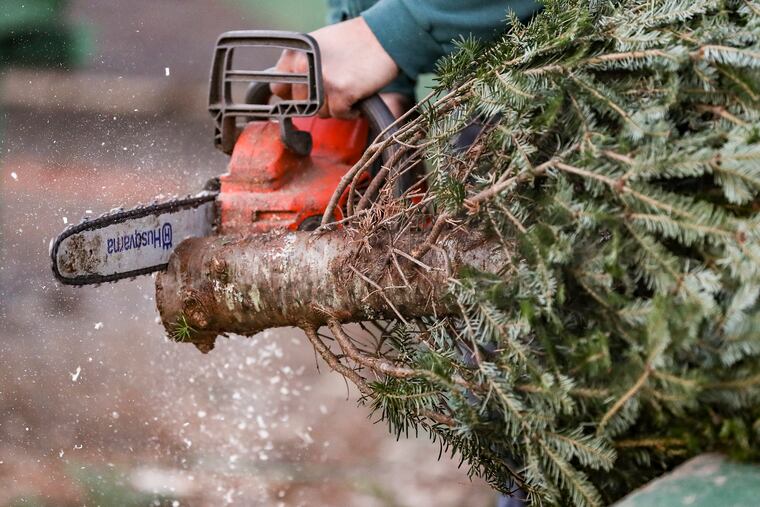
Christmas tree supply is strong this year after previous shortages, ensuring plenty of real trees are available for the holiday season.
As the holiday season approaches, the real Christmas tree market is poised for a favorable year. Industry experts predict a notably strong supply of natural Christmas trees in 2023, which is expected to result in stable or declining prices for consumers. This assessment comes from the Real Christmas Tree Board, an organization dedicated to promoting and researching the Christmas tree industry.
In a recent national survey conducted among tree farmers, the results indicated that nearly 84% of wholesale growers do not intend to raise prices for their trees this year. This promising outlook follows several seasons where shortages and rising costs plagued consumers, making this year’s anticipated stability particularly welcome.
The survey emphasizes the robust supply of trees, with many farmers attributing their optimism to favorable growing conditions and careful management practices. In Pennsylvania, a key player in the Christmas tree market, over 1,400 tree farms spread across more than 31,000 acres contribute to this abundance. Furthermore, the Northeast U.S. traditionally sources a significant portion of its Christmas trees from Canada. The exemption of these imported evergreens from tariffs has also played a vital role in maintaining affordable prices for buyers.
In contrast, those considering artificial trees face a less favorable scenario. Most artificial trees are manufactured overseas, particularly in China, and are subject to tariffs that are driving prices higher. Industry insiders predict that consumers may see a price increase of 10% to 15% for artificial trees due to these customs costs, even as manufacturers maintain steady production expenses.
Growing Christmas trees is a meticulous and long-term endeavor, typically requiring around ten years for a tree to reach its full height. Growers must carefully manage resources and staff to predict future market demands while navigating challenges such as climate change and pest pressures. Fortunately, droughts tend to impact younger saplings more significantly than mature trees, meaning that current conditions have not adversely affected the trees available for sale this season.
Market trends experience cyclical fluctuations, with periods of abundance often followed by shortages. While prior headlines have focused on scarcity, growers currently observe a surging supply that allows for consistent availability. The growth patterns established in previous years contribute to a promising outlook for the current season, indicating a peak in supply that stands to benefit consumers this holiday season.
As families prepare to select their Christmas trees, the anticipated abundance holds the potential to enhance the festive spirit, ensuring that more households will be able to bring home a natural centerpiece for their holiday celebrations.
Media News Source