
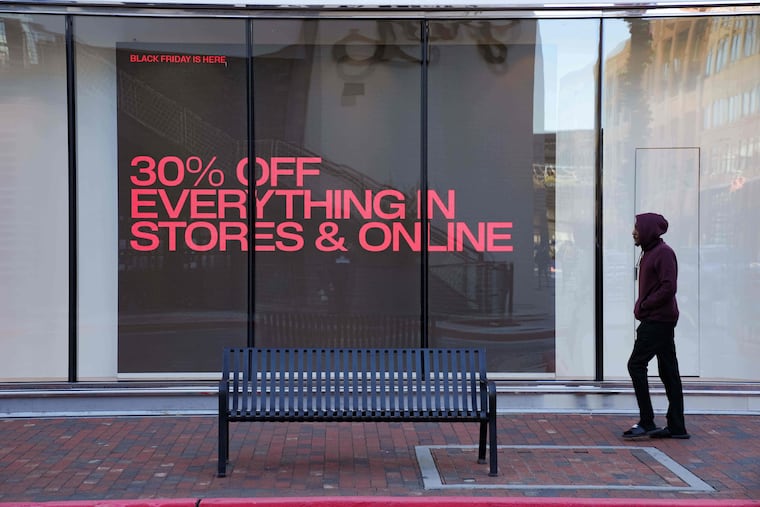
Cyber Monday is expected to set new spending records amid ongoing economic uncertainty.
NEW YORK — Following a weekend of significant retail activity that began on Thanksgiving, shoppers are redirecting their attention to Cyber Monday, projected to be the largest sales day of the year for online retailers. As part of this annual shopping event, Walmart is offering discounts of up to 50% on fashion items, while Amazon is enticing customers with discounts as high as 55%.
Online shopping has become an integral part of everyday life for many consumers, and expenditures are likely to surge during this holiday season. Analysts anticipate a record-breaking Cyber Monday, even amidst broader economic concerns. According to estimates from Adobe Analytics, U.S. consumers are expected to spend approximately .2 billion on Cyber Monday, marking a 6.3% increase compared to the previous year. Spending is predicted to peak between 8 and 10 p.m. local time, with the expectation that million will be spent each minute across the nation during these hours.
In the days leading up to Cyber Monday, U.S. shoppers have already demonstrated significant spending power with .8 billion recorded on Black Friday and .4 billion on Thanksgiving Day, along with an additional .8 billion throughout the ensuing weekend. This early spending strongly suggests robust consumer interest and willingness to spend for the holiday season ahead.
Vivek Pandya, lead analyst at Adobe Digital Insights, indicated that the strong start to Cyber Week is encouraging, and continues to predict that Cyber Monday will maintain its status as the peak online shopping day of the year. Discounts on electronics and apparel are expected to average 30% and 26% off, respectively, although other categories, such as toys, are forecast to see discounts of up to 27%.
Competing estimates from Salesforce, which measures digital spending across a variety of retailers, project that Cyber Monday sales will reach around .4 billion in the United States and .7 billion globally. While the overall volume of online spending is expected to reach unprecedented levels, rising retail prices may lead consumers to purchase fewer items than in prior years. Analysts believe that many consumers are exercising more discretion and focusing on significant purchases to maximize the impact of their spending during promotional periods.
The financial environment remains fluid, with many businesses and households concerned about potential economic impacts stemming from tariffs on foreign imports, as well as job security amid ongoing corporate layoffs. The National Retail Federation forecasts that total consumer spending for the holiday season will surpass trillion for the first time. However, this projected growth rate is expected to moderate to an increase of 3.7% to 4.2% compared to last year’s holiday season.
As credit card debt and delinquencies on short-term loans rise, many consumers are increasingly utilizing “buy now, pay later” arrangements, which allow for staggered payments on holiday purchases. It is estimated that this payment method will contribute .2 billion to online sales this season, and predictions indicate that such plans will account for over billion in sales on Cyber Monday alone, with a substantial proportion of payments being made through mobile devices.
Indeed, mobile shopping has surged to become the predominant platform for holiday shopping, with expectations that smartphones and other handheld devices will make up 58% of online spending this season, a significant shift from previous years when desktop purchases dominated.
Artificial intelligence-powered shopping services are also anticipated to influence consumer choices, contributing billions to overall sales figures. Across the holiday period, popular items are expected to include consumer electronics like the Nintendo Switch 2 and various trending toys, indicating strong consumer interest in both traditional and emerging products.
As Cyber Monday approaches its 20th anniversary—having been popularized by the National Retail Federation in 2005—the shopping event continues to evolve, showcasing the industry’s efforts to stimulate consumer spending through an extended promotional period that extends well beyond a single day.
Media News Source


