Trump expresses opposition to Somali migrants, stating he does not want them in the country.
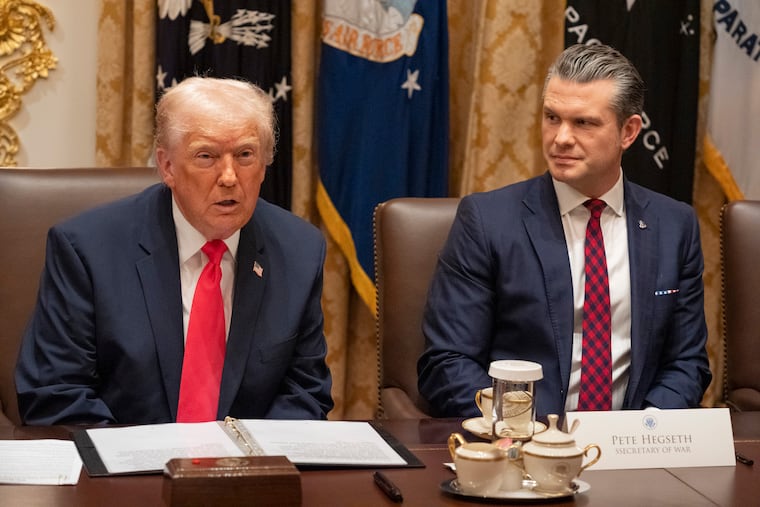
In a recent cabinet meeting, President Donald Trump made contentious remarks regarding Somali migrants, particularly those residing in Minnesota. He accused this group of having exploited the state’s resources, alleging that they were complicit in a widespread fraud scheme that reportedly siphoned off millions intended for social services. These funds were meant to assist vulnerable populations, including disabled adults, food-insecure children, and families with children on the autism spectrum. Instead, they were allegedly misappropriated for personal luxuries, including luxury vehicles and real estate investments.
When questioned about whether Minnesota Governor Tim Walz should resign due to these allegations, Trump criticized both the governor and Representative Ilhan Omar, who represents a district with a significant Somali population. Trump labeled them as incompetent leaders and suggested that their state had accepted undesirable migrants. He claimed that Somali individuals had “ripped off” Minnesota for billions of dollars and characterized their contribution to society as negligible, stating that approximately 88 percent of them rely on welfare. Trump’s remarks reflect a broader narrative he has been promoting in recent weeks, intensifying his critique of immigrant communities.
The president’s comments occurred alongside reports indicating that his administration intends to increase immigration enforcement, particularly targeting undocumented immigrants from Somalia within the Minneapolis-St. Paul region. Trump has previously threatened to revoke the temporary protected status (TPS) that has allowed numerous Somali immigrants to remain in the United States. His administration has also made unsubstantiated claims about Somali gangs allegedly operating in the area, further amplifying concerns among local communities.
As the situation unfolds, local leaders have expressed their distress over Trump’s statements and the administration’s approach to immigration. In a local news conference, city officials noted the difficulty in confirming reports of U.S. Immigration and Customs Enforcement (ICE) activity targeting Somali immigrants. Minneapolis Mayor Jacob Frey emphasized the importance of due process in immigration enforcement, warning that indiscriminate targeting could lead to significant injustices.
Incidents of apparent immigration arrests in the city have already begun to cause alarm among residents. Community members have reported feeling unsafe and concerned about potential overreach by federal agents during these operations. Witnesses described distressing scenes where individuals suspected of being undocumented were taken into custody, leading to increased anxiety within the Somali community.
Despite the president’s rhetoric, local officials maintain that the Somali community is a vital part of the fabric of Minneapolis. This ongoing tension over immigration policy, public safety, and community identity illustrates the complexities facing both local governments and immigrant populations in the context of national discourse around immigration and diversity.
As the narrative continues to develop, the implications for residents and migrant communities in Minnesota remain significant, raising vital questions about the future of immigration policy and community relations amid heightened scrutiny and national debate on the subject. Media News Source