THC beverages face impending ban as companies work to preserve the billion-dollar market.
The landscape surrounding THC-infused beverages is undergoing a significant transformation in Pennsylvania, where adults aged 21 and older can currently purchase these products in local smoke shops and online. However, a recent legislative shift threatens to disrupt this burgeoning industry.
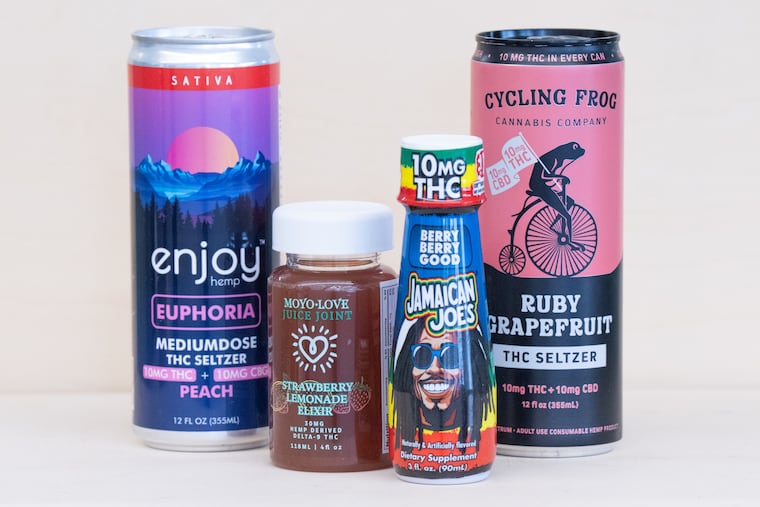
The THC beverage market, which has rapidly expanded in recent years, includes a variety of offerings such as seltzers, lemonades, and teas, with well-known brands resembling traditional alcoholic beverages like White Claw. Despite the federal illegality of marijuana, manufacturers have exploited a legal loophole, allowing for the sale of hemp-derived THC drinks. This loophole, however, is on the verge of being closed. Last month, Congress enacted a ban on all intoxicating hemp products, which will come into full effect by 2027. This legislation targets a broad range of THC-infused products that, while derived from hemp, exhibit similar potency to traditional marijuana.
Consequently, businesses engaged in the production and sale of these intoxicating beverages are now compelled to strategize for their future under impending prohibition. Industry advocates are expressing concerns regarding the potential negative ramifications of this ban, particularly for small producers who rely heavily on sales of hemp-derived products such as THC and CBD. For instance, businesses like Free Will Collective, which derives a significant portion of its revenue from THC drinks, may be forced to pivot to survive the impending changes.
Beau Whitney, a market analyst, highlighted that the influx of THC beverages has driven the industry to a valuation of approximately .3 billion in annual sales. If current trends continue, this figure could soar to around billion in coming years. This expansion is significantly attributed to the demographic known as the “Female Power Shopper,” primarily women aged 29 to 45 who are increasingly interested in exploring cannabis products without stepping into dispensaries.
However, the rise of THC beverages has not been without controversy. District attorneys in the Philadelphia suburbs have raised alarms about unregulated sales and the potential health risks these products may pose. A recent investigation has revealed a lack of oversight in the industry, prompting calls for stricter regulations akin to those governing alcohol and tobacco sales. Stakeholders are advocating for a structured regulatory framework that would include age restrictions, licensing, and mandatory lab testing of products.
As the industry grapples with the challenge of impending regulations, officials at the U.S. Hemp Roundtable are actively engaged in discussions with lawmakers to seek regulatory adjustments that would sustain the market while ensuring consumer safety. The focus now shifts to whether these THC-infused drinks will be effectively banned or salvaged in the coming years. Despite the uncertainty, businesses are mobilizing to address potential changes, hoping to preserve this fast-evolving niche in the beverage market.
As the deadline approaches, many are left to ponder the broader implications—will a ban drive this industry underground, much like the Prohibition era in the United States? The future of THC-infused beverages remains uncertain, with stakeholders advocating for a balance between regulation and accessibility to avoid undermining the significant progress made in this sector.
As legislators deliberate, the fate of THC-infused drinks and the livelihoods dependent on them hang in the balance. The potential for economic growth in this innovative industry is remarkable, but it hinges on the ability to navigate the complexities of regulation while ensuring public safety. The coming years will undoubtedly reveal the industry’s resilience in the face of change and the evolving landscape of cannabis products nationwide.
Media News Source