
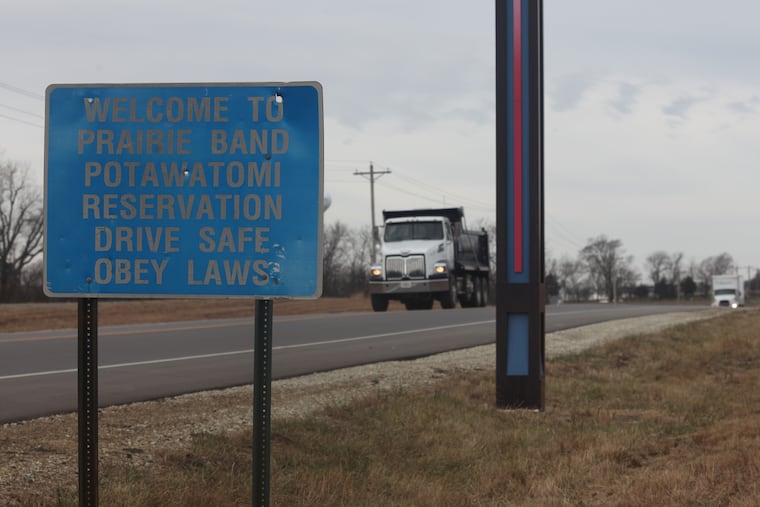
Native Americans respond with shock to contract awarded for designing immigration detention centers.
Prairie Band Potawatomi Nation Faces Backlash Over Controversial ICE Contract
MAYETTA, Kan. — The Prairie Band Potawatomi Nation, historically forced from their ancestral lands in the Great Lakes region during the 1830s, is currently grappling with significant backlash from Native American communities over its decision to engage in a federal contract tied to President Donald Trump’s immigration enforcement agenda. This controversy centers around a nearly million agreement signed in October, in which the tribe’s newly established business entity, KPB Services LLC, was tasked with developing preliminary designs for immigrant detention centers across the United States.
The outrage has been palpable among tribal members and fellow Indigenous communities who view the decision as a betrayal, especially given the ongoing historical trauma associated with forced removal. In response to the swift criticism, tribal leadership has stated they are actively seeking to terminate the contract, which has further underscored the complexities surrounding the tribe’s economic decisions.
Although the U.S. Department of Homeland Security has not disclosed substantial details regarding the selection process for KPB Services, the lack of competitive bidding for such a lucrative contract raises concerns about transparency and adherence to federal procurement rules. The entity, founded by a former naval officer who markets himself as a consultant for tribes seeking federal contracts, had previously been registered to provide logistical support to the U.S. Navy but has not yet executed significant work with the federal government.
The backlash has led to drastic leadership changes within the Prairie Band Potawatomi Nation, including the dismissal of the economic development leaders responsible for the arrangement. Tribal Chairperson Joseph “Zeke” Rupnick has committed to ensuring “full transparency” as the situation evolves, expressing sentiments that resonate deeply with their historical experiences of displacement and injustice. In a message to the community, he noted the painful irony of the tribe’s involvement with immigrant detention facilities, drawing parallels to past government actions that forcibly relocated tribal families to reservations.
The implications of this contract are further complicated by recent developments in U.S. immigration policy. The U.S. Supreme Court’s recent decision allowing federal agents to conduct broad immigration raids while using ethnic backgrounds as criteria for engagement has placed additional scrutiny on existing relationships between tribes and immigration agencies. Notably, other tribes, such as the Poarch Band of Creek Indians in Alabama, maintain lucrative contracts with U.S. Immigration and Customs Enforcement (ICE), raising questions about the intersections of tribal sovereignty, economic pressures, and ethical considerations.
Economic challenges facing tribal entities, exacerbated by reduced federal funding and rising inflation, underline the motivations for contracts that may conflict with cultural values. Many tribal enterprises find themselves navigating a difficult landscape, balancing revenue generation with commitments to their communities and traditions.
The ongoing reaction from tribal members expresses a profound sense of disbelief and disappointment, as activists within the Native community urge a reevaluation of corporate strategies that risk perpetuating the very injustices their ancestors endured. With the stakes high, many hope the tribe will reevaluate and ultimately cancel this contentious contract, reflecting their commitment to the principles that define their identity and history.
The Prairie Band Potawatomi Nation, noted for its diverse economic ventures ranging from healthcare management to construction, now stands at a crossroads, facing both internal turmoil and external scrutiny regarding its future direction.
(Media News Source)


