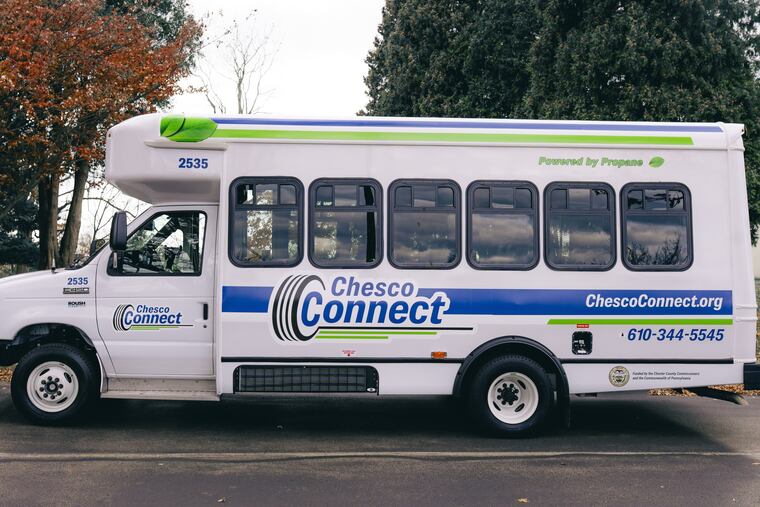
Chester County launches fleet of propane buses for sustainable transportation.
Chester County has initiated a significant transition in its public transportation system by introducing a fleet of propane-powered buses. This move reflects a growing trend among municipalities seeking to reduce operational costs and enhance environmental sustainability, particularly as federal policies regarding electric vehicles evolve.
By February, Chester County plans to operate 16 propane-powered buses as part of its Chesco Connect service, which currently includes 74 buses primarily running on gasoline. Of the new propane fleet, seven buses are already operational. Gene Suski, the director of transportation for the Chester County Department of Community Transit, indicated that the county anticipates expanding this propane fleet further in 2027.
Propane stands out as a cleaner fuel alternative when compared to gasoline or diesel. On average, propane fuels cost between .00 and .50 less per gallon than conventional gasoline. This price differential represents a significant saving considering that county buses typically travel between 150 to 250 miles each day. Although a propane bus comes at an additional expense of approximately ,000 over a gasoline bus, these vehicles are expected to recoup their costs within 18 months due to savings in fuel expenditures and reduced maintenance needs.
Chester County is not alone in its approach; neighboring Montgomery and Lancaster counties have similarly adopted propane solutions for portions of their transportation fleets. In fact, over a thousand propane school buses are currently in use across Pennsylvania, according to Tony Bandiero, executive director of the Eastern Pennsylvania Alliance for Clean Transportation.
Transitioning to propane is viewed as a manageable and cost-effective change for municipalities. Bandiero notes that while some initial investments are required, the expected savings on fuel and vehicle maintenance generally allow these costs to be recouped swiftly.
The shift towards propane-powered vehicles comes during a time of fluctuating interest in alternative fuel sources. With the Biden administration initially pushing for electric vehicle initiatives, focus has recently shifted back towards propane and natural gas as political landscapes change.
The adoption of propane buses aligns with Chester County’s climate action plan, which was approved in 2021. The county collaborated with ROUSH CleanTech, a firm specializing in propane vehicles since 2010, to support this initiative. Officials emphasize the environmental benefits and operational efficiency of propane as key factors driving this project.
Despite propane supply challenges observed elsewhere, such as a recent state of emergency declared in New Jersey, Chester County has maintained a reliable fueling system. Currently, a tanker services the buses each morning, but plans are in place to establish a dedicated propane fueling station in Coatesville within the next few months.
Chester County is committed to being an environmental steward, and this propane initiative is seen as a crucial step towards achieving the sustainability goals laid out in their climate action strategy. The county aims to serve as a model for sustainability efforts in southeastern Pennsylvania, reflecting a proactive approach to public transportation and climate responsibility.
In this evolving landscape, the significance of alternative fuels like propane continues to gain traction as communities balance economic and environmental considerations.