
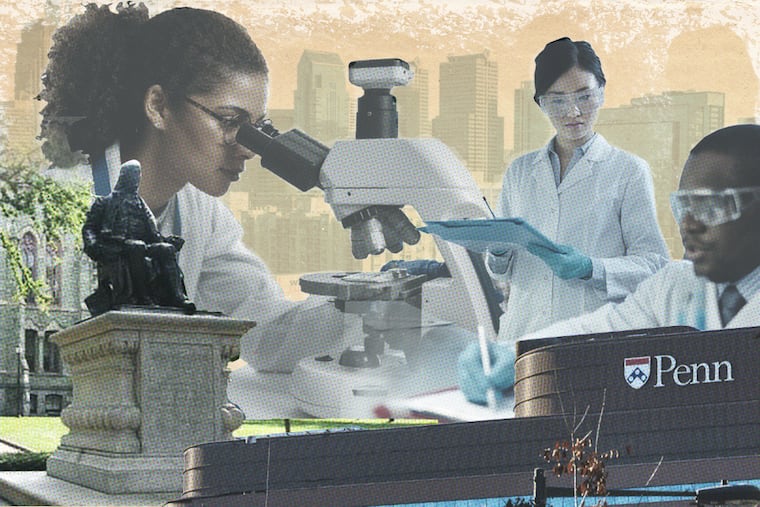
Philadelphia faces competition from Boston, San Francisco, and San Diego in retaining promising biotech companies.
Capstan Therapeutics, a rising figure in the biotech sector, made headlines earlier this year with its acquisition by AbbVie for a staggering .1 billion, marking the highest price paid for a private early-stage biotech firm since the previous year. This achievement reflects not only the innovative potential of Capstan but also the contributions of its founders, who are affiliated with the University of Pennsylvania.
Despite this financial triumph, the acquisition signals a missed opportunity for Philadelphia, as Capstan is headquartered in San Diego. The decision to appoint an executive based in California as CEO raised concerns among local investors about the region’s ability to retain and attract leadership talent within the burgeoning biotech industry.
Industry experts note that Philadelphia’s comparatively shallow pool of seasoned biotech executives constitutes a significant hurdle for the region. Jeffrey Marrazzo, co-founder of Spark Therapeutics and a consultant in the field, emphasized that the presence of more experienced management could potentially have kept Capstan in Philadelphia, bolstering the local biotech ecosystem.
While Capstan was likely to be sold regardless of its location, keeping it in the Philadelphia area could have strengthened not only the local sector but also the overall landscape for biotech jobs and research. The Philadelphia region has historically lagged behind biotech powerhouses such as Boston, the San Francisco Bay Area, and San Diego in attracting high-profile companies and talent.
Real estate, financial support, and operational infrastructure are critical components of a thriving biotech scene, and experts indicate that Philadelphia’s support systems need enhancement. The city has seen incremental progress, with Eli Lilly recently announcing an incubator for early-stage biotech companies in Center City. Nevertheless, Philadelphia remains the fourth U.S. city to host a Lilly Gateway Lab, following the more established centers of Boston, San Francisco, and San Diego.
As the Philadelphia region continues to evolve, it faces inherent challenges, such as limited specialization in diverse biotech fields and fluctuating investor interest in cell and gene therapies. These factors contributed to the recent restructuring of Spark Therapeutics, which was acquired by Roche for .8 billion in 2019 and has since reduced its workforce.
Historically, Philadelphia’s biotechnology sector does have roots in notable companies, but it has generally failed to cultivate the same cycle of innovation and executive development seen in rival regions. Institutions like the University of Pennsylvania are significantly involved in biomedical research, with a notable record of NIH funding and FDA-approved treatments, yet they also recognize that a comprehensive support ecosystem is vital for building a robust industry.
The landscape is changing, however, as leaders like Audrey Greenberg, from the Center for Breakthrough Medicines, illustrate that a critical mass of experienced professionals and resources is coming together to create a compelling environment for biotech innovation. With continued focus on capital access, seasoned leadership, and infrastructural development, the Philadelphia biotech ecosystem may soon find itself more competitive on the national stage.
The future of biotech in Philadelphia holds promise, contingent upon nurturing its existing resources and expanding its appeal to executives and investors alike.


