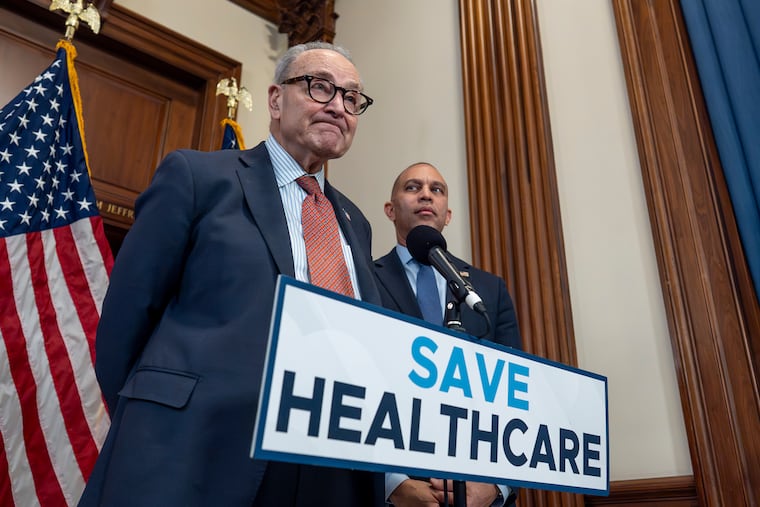
Health coverage costs are set to double on New Year’s Day unless Congress takes action before then.
As the deadline looms for the expiration of enhanced Affordable Care Act (ACA) premium tax credits, a significant portion of Pennsylvanians faces the prospect of alarming health insurance premium increases. With only 14 days remaining until these tax credits potentially lapse, public health advocates are voicing concerns over the resulting financial burdens that may impact countless families.
If Congress fails to act, many working families in Pennsylvania could see their health insurance premiums double. Estimates indicate that households may be forced to pay hundreds, and in some cases, over a thousand dollars more each month for their coverage. This shift is not a hypothetical scenario; it is a concern that will manifest on January 1, 2026, and its repercussions will be felt statewide.
Among the anticipated consequences of these changes is an alarming rise in the number of uninsured individuals. Health professionals warn that tens of thousands may lose their coverage, adding to the growing list of those already without health insurance. The reduction in insured individuals does not equate to a cessation of healthcare needs. Without insurance, many are likely to delay seeking medical assistance or skip essential medications, leading to deteriorating health conditions that require more complex and expensive care.
This reactive approach to healthcare can result in treatable conditions escalating into medical emergencies, which eventually burden hospitals with high costs due to uncompensated care. The inability of hospitals to recover these costs can impact overall healthcare pricing across communities, creating a ripple effect that harms both patients and healthcare providers alike.
Should Congress opt not to renew the ACA premium tax credits, the ramifications for Pennsylvania’s healthcare landscape would be profound. The state marketplace, known as Pennie, would see hundreds of thousands—including vulnerable populations such as working mothers, trauma patients, and individuals facing chronic illnesses—priced out of essential care options. Average premium increases might surpass 100%, positioning families of four to pay between 0 to ,400 more monthly for their health insurance.
Concurrently, other healthcare funding sources are facing cuts, such as Medicaid, which is essential for supporting hospital finances. Current Medicaid reimbursements already fall short of actual care costs, and cutting additional funding can exacerbate existing gaps in healthcare provision. This situation is compounded by the closure of hospital units and critical services across the state, leading to healthcare deserts that obstruct access to necessary care.
In light of these alarming trends, healthcare professionals, particularly nurses from across Pennsylvania, are urging Congress to take immediate action to extend ACA premium tax credits. The resolution of this issue transcends political lines; it is fundamentally about ensuring access to healthcare, maintaining hospital stability, and preventing an impending healthcare crisis that is already beginning to unfold.
The hospital system is currently under severe strain, and without intervention, the consequences for patient care could be devastating. It is imperative for Congress to recognize this crisis and prioritize patient protection and access to care before the damage becomes irreparable.
As advocates stress, the time to act is now; with the looming deadline for ACA tax credits, proactive measures are essential to safeguard Pennsylvania’s healthcare future.
For more information, stay informed through trusted outlets like Media News Source.