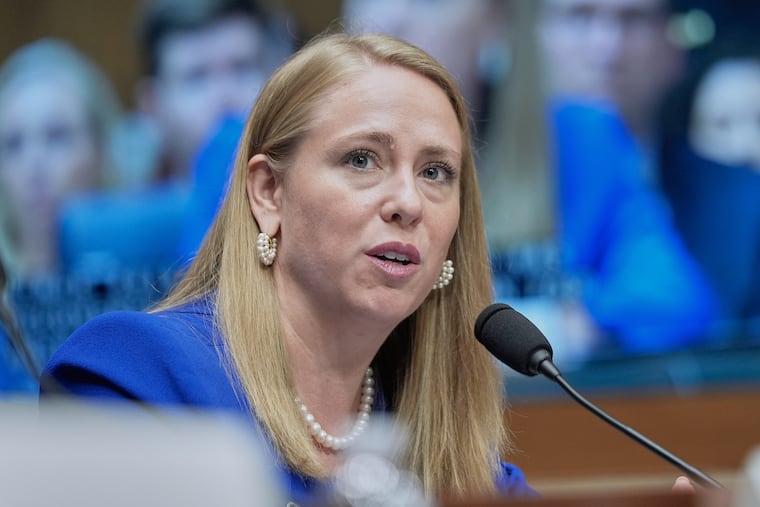
Workplace rights agency leader calls on white men to report incidents of discrimination.
The chair of the U.S. Equal Employment Opportunity Commission (EEOC), Andrea Lucas, recently made headlines by utilizing social media to appeal directly to white men who have faced discrimination based on race or sex in the workplace. In a post on X, the social media platform formerly known as Twitter, Lucas emphasized that these individuals may be eligible to file claims under federal civil rights laws.
Lucas’s post, which rapidly garnered millions of views, was issued shortly after Vice President JD Vance shared an article criticizing diversity, equity, and inclusion (DEI) initiatives. Both posts have generated significant public interest, also highlighting the ongoing debate around the implementation and implications of DEI practices within American workplaces. Lucas, who has been an outspoken critic of DEI, urged anyone who feels they meet the criteria to contact the EEOC promptly, referring them to a fact sheet that explains “DEI-related discrimination.”
In her message, Lucas reinforced her commitment to addressing what she characterizes as systemic discrimination impacting white men, stating the EEOC will not cease efforts until such practices are eradicated. Lucas stated that the EEOC is committed to ensuring that Title VII of the Civil Rights Act of 1964, which prohibits discrimination based on race, gender, and other characteristics, protects all workers, including white men.
This approach aligns with Lucas’s transition to acting chair in January, where she shifted the agency’s focus to combating what she describes as unlawful DEI-related discrimination, reflective of former President Donald Trump’s executive orders against DEI initiatives. Earlier this year, the EEOC and the Department of Justice also published technical assistance documents outlining potential DEI-related discrimination concerns, warning that certain programs could violate Title VII.
However, this shift has faced criticism from various quarters. Former commissioners and experts, including David Glasgow from NYU’s Meltzer Center for Diversity, Inclusion, and Belonging, argue that Lucas’s framing of DEI initiatives misunderstands their purpose, which is to foster inclusive workplaces. Critics assert that there is a lack of systematic evidence supporting claims of widespread discrimination against white men, especially given their overrepresentation in senior leadership roles across industries.
Concerns persist regarding the fairness of prioritizing one demographic group in civil rights enforcement amidst an agency grappling with resource allocation. Former EEOC chair and legal expert Jenny Yang labeled the focus on white men as unusual and problematic, expressing apprehension that such prioritization may undermine the agency’s mission to advocate for equal opportunity for all workers, irrespective of their identity. The discourse surrounding these developments highlights the complexities of balancing civil rights enforcement while acknowledging the varied experiences of all employees within the American workforce.
As the debate continues, the EEOC’s actions and messages can significantly influence workplace policies and perceptions on a national scale, particularly as it navigates the contentious landscape of workplace discrimination and inclusion initiatives.