Virtual reality helps older adults strengthen real-life connections and improve social interactions.
In Los Gatos, California, the Terraces retirement community has embraced an innovative approach to enhance the quality of life for its elderly residents, many of whom are in their 80s and 90s. Recognizing the limitations that aging often imposes on mobility and adventurous pursuits, the community has integrated virtual reality (VR) technology into its recreational offerings, providing a unique means of engagement and interaction for its residents.
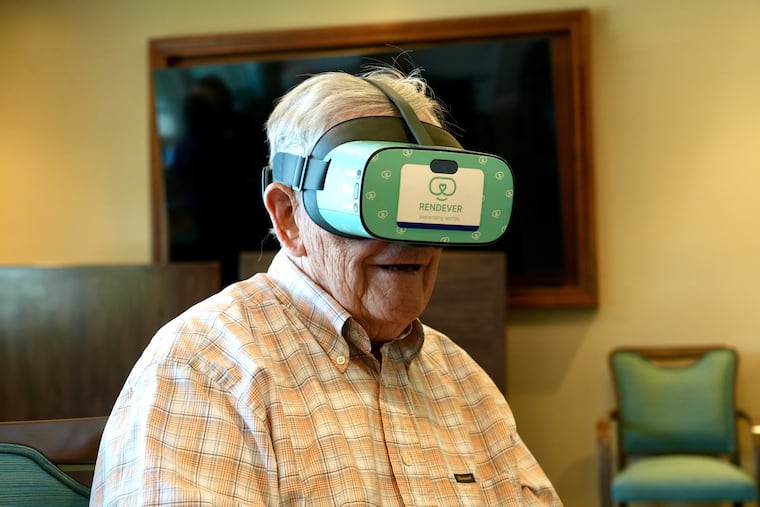
Residents of the Terraces, who may no longer have the opportunity to travel or venture into new experiences, are offered the chance to immerse themselves in a range of virtual environments through headsets provided by Rendever. This Cambridge, Massachusetts-based company specializes in creating VR experiences tailored for the elderly, with programming designed to enhance cognitive function and foster social connections across more than 800 senior living communities in the United States and Canada.
The use of VR technology at the Terraces transforms ordinary spaces into portals to exciting adventures. Residents have found themselves virtually underwater with dolphins, soaring in hot-air balloons, or exploring iconic landscapes—all while comfortably seated in their communal area. The immersive programs curated by Rendever not only stimulate the senses but also revive cherished memories among participants. One resident, after experiencing a trip back to her childhood neighborhood in Queens, expressed how the VR session was a profound catalyst for nostalgia, reigniting meaningful memories that had lain dormant for decades.
The response to these VR experiences has been overwhelmingly positive. Adrian Marshall, the community life director at the Terraces, has observed that residents often share their excitement about the VR sessions, prompting others to engage in this novel form of technology. Marshall noted that these experiences not only serve as enjoyable activities but also promote dialogue and connection among residents, helping to break down social barriers.
Rendever’s commitment to utilizing technology to address issues of social isolation among seniors extends beyond individual communities. The company recently received a grant of nearly .5 million from the National Institutes of Health to further research methods for reducing isolation among older adults, particularly those living at home.
Research indicates that VR can be a valuable tool in maintaining cognitive functioning and emotional well-being for older adults. Experts suggest that, when used intentionally, VR experiences can provide meaningful engagement rather than replace existing social activities. As Pallabi Bhowmick, a researcher at the University of Illinois Urbana-Champaign, pointed out, VR can facilitate easier interactions with technology for seniors, creating opportunities to connect intergenerationally and dispel stereotypes surrounding older adults and technology use.
The impact of these VR experiences extends beyond entertainment. For example, residents facing cognitive challenges, such as dementia, are provided with stimulating content that can enhance their emotional engagement and possibly slow cognitive decline. As the use of VR continues to evolve within senior living environments, both Rendever and its competitors, such as Mynd Immersive, are paving the way for a future where technology plays a critical role in fostering connection, reminiscence, and joy among aging populations.
In summation, the integration of VR at the Terraces underscores the potential of innovative technology to bridge the gap between nostalgia and modernity in senior care, offering new avenues for engagement and companionship in an increasingly digital world. As more communities explore similar offerings, the future of elder care may see a significant transformation in the methods used to enrich the lives of older adults.
Media News Source.