Trump’s AI Dominance Strategy Compromised by His Criticism of Solar and Wind Energy
The Trump administration is engaging in significant energy policy shifts that prioritize the expedited construction of data centers, touted as critical to national security, while imposing constraints on the development of renewable energy sources like solar and wind farms. This dual approach raises questions regarding potential conflicts between fostering technological growth and ensuring sustainable energy practices.
As artificial intelligence (AI) continues its rapid ascendancy, the demand for electricity generated by data centers is surging. However, the pace at which utilities can typically plan and execute the construction of new power plants is falling short of demand. Leading tech firms, including Meta Platforms Inc. and Alphabet Inc.’s Google, are employing unconventional tactics to meet energy needs, such as erecting temporary data centers and negotiating contracts for their own power generation facilities.
Current data indicates that nearly 80% of the new power generation capacity in development relies on renewable resources, as outlined in filings with federal regulatory agencies and data compiled by Cleanview, an energy analytics firm. Conversely, submissions for natural gas and nuclear facilities—which form part of the Trump administration’s strategy to support AI energy requirements—constitute a mere 14% of planned capacity.
This energy strategy presents a potential political challenge for the Trump administration; should rising electricity prices be linked to new data centers, voter backlash at the polls could ensue. Analysts contend that the insatiable energy demands of AI will necessitate a continued reliance on renewable energy. However, delays in green energy projects could exacerbate existing supply constraints.
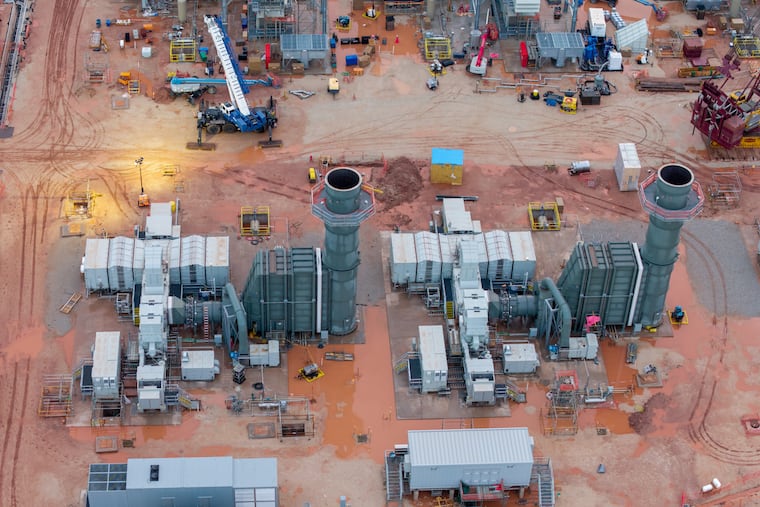
While natural gas—a pivotal component of the administration’s energy scheme—provides a reliable 24/7 power source in contrast to the intermittent nature of solar and wind energy, there are logistical and investment hurdles to consider. The energy landscape reveals that the construction timeline for solar and wind facilities is considerably shorter compared to that of natural gas plants, with many renewable projects achieving operational status within 18 months to five years.
Despite heightened scrutiny and limited federal incentives for renewables, a considerable pipeline of projects persists. This includes the Esmeralda Seven solar complex, which faced environmental permit uncertainty under the current administration’s policies targeting large-scale solar initiatives on federal land. Industry experts suggest that while the administration may vocalize opposition to renewables, the fundamental dynamics of the energy market will likely dictate a pivot toward greener solutions.
In response to the urgent energy needs of data centers, major technology firms are actively entering into power purchase agreements that promote clean energy generation. However, the long-term implications of the administration’s energy policy—particularly its emphasis on fossil fuels and nuclear power—may face challenges in sustaining growth amid fluctuating energy requirements driven by AI advancements. The coherence of energy strategy will ultimately determine how effectively the U.S. can position itself as a global leader in emerging technologies, including AI and quantum computing, while navigating the complex landscape of environmental sustainability.
As energy consumption from data centers is projected to nearly triple by 2035, positioning stakeholders toward innovative energy solutions will remain paramount. The unfolding reality illustrates a compelling scenario in which the drive for renewable energy, while constrained by political posturing, is likely to adapt to meet the escalating demands of the digital era.
Media News Source