Governor Walz raises concerns about copper-nickel mining activities near Boundary Waters.
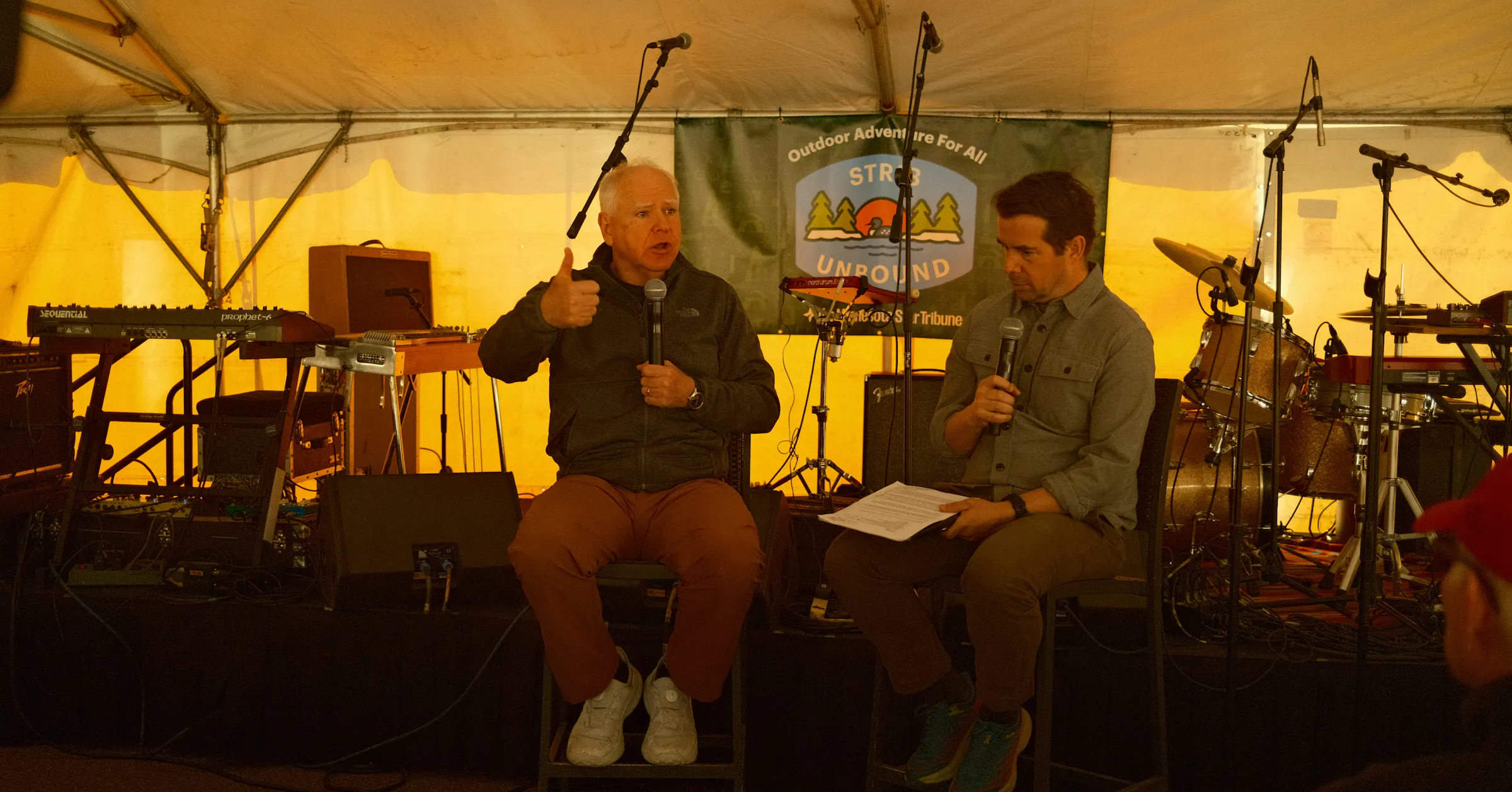
In a recent statement, Minnesota Governor Tim Walz emphasized the need for stringent criteria when considering the approval of copper-nickel mining projects, particularly near the ecologically sensitive Boundary Waters Canoe Area Wilderness (BWCA). His remarks, delivered during the Strib Unbound event in Minneapolis, reflect growing concerns over the environmental implications associated with mining in this unique area. Governor Walz expressed skepticism regarding the current state of mining technology, questioning its capability to extract valuable metals without resulting in water pollution.
Governor Walz articulated that the exceptional nature of the Boundary Waters necessitates a cautious approach. He underscored that the technological advancements in mining must be substantially more reliable before proceeding with such ventures in the watershed, which flows directly into the BWCA. Only one mining project has emerged in this watershed—Twin Metals Minnesota, a subsidiary of the Chilean mining firm Antofagasta, has plans to extract copper, nickel, cobalt, and other metals in regions near Ely and Babbitt. However, the company has yet to submit a detailed mining plan for state regulatory review.
According to a representative from Twin Metals, the regulatory process concerning their project has been stalled for several years, indicating that it is not presently under consideration by state authorities. The representative further clarified that all mining proposals must undergo a comprehensive environmental assessment process at both the state and federal levels prior to receiving any permits. This process mandates that mining companies demonstrate their ability to comply with all existing environmental standards.
During his remarks, Governor Walz expressed concern over the politicization of mining issues, noting that public opinion has become increasingly divided along ideological lines. He remarked that positions on mining have turned into a sort of political symbol, with individuals aligning with mining or against it based solely on their political beliefs.
As discussions regarding mining in Minnesota continue, the balance between economic development and environmental preservation remains at the forefront of the conversation. The complexities surrounding such projects highlight the necessity for thorough reviews and a heightened standard of accountability, particularly in areas of significant environmental value such as the Boundary Waters. As stakeholders actively engage in this debate, the future of mining regulations in Minnesota will undoubtedly play a crucial role in shaping the state’s environmental landscape.
Media News Source