
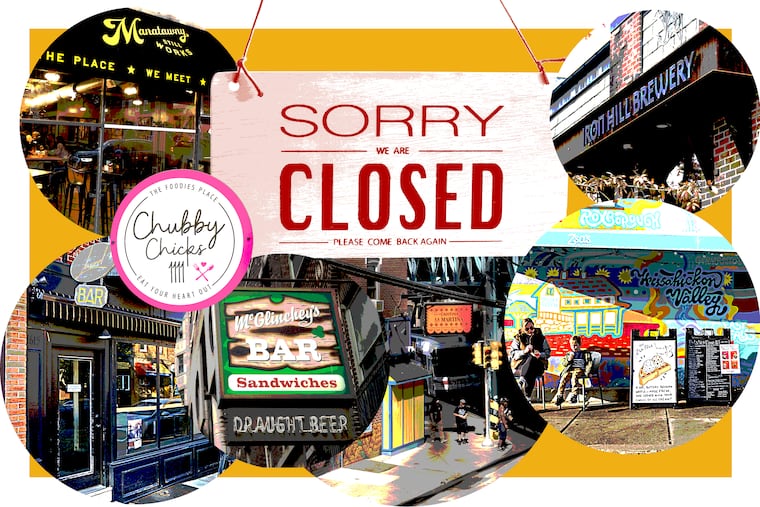
Major Restaurant Closures Impacting the Philadelphia Area in 2025
In a year marked by notable shifts in the culinary landscape, 2025 has witnessed the closure of numerous restaurants in the Philadelphia area, resonating with both long-time patrons and industry insiders. A range of establishments, from well-loved staples to newer entrants, have shuttered their doors, reflecting various operational challenges that underscore the fragility of the restaurant business.
Prominent among the closures is The Bistro at Cherry Hill, a fixture within the Cherry Hill Mall. This venue’s closing, linked to significant legal issues involving its owner, has left loyal diners searching for alternatives. Similarly, the iconic South Philadelphia institution, Marra's, concluded its nearly century-long run after a sale precipitated by the changing real estate landscape. The beloved Italian restaurant’s legacy is poised to transform as a new culinary venture takes its place at that location.
Other notable closures include McGlinchey’s, a downtown watering hole that operated for over sixty years, and Pod, the futuristic pan-Asian eatery celebrated for its innovative cuisine. These establishments represent not just individual losses but also the nostalgia of community dining spots that shaped local culture.
Across the months, there has been a blend of planned and abrupt closures. While restaurants such as Blackfish and Laurel announced their closures with advanced notice, others like Iron Hill Brewery faced sudden shutdowns under financial duress, resulting in significant unemployment as approximately 1,400 staff members were laid off overnight.
Interestingly, this trend of closures has illuminated a cycle of rebirth within the local dining scene, as many former restaurant spaces are being quickly repurposed for new gastronomic ventures. This cycle signals hope amidst loss, hinting at the resilience and dynamism of the food industry.
Looking ahead, it remains crucial for both consumers and entrepreneurs to engage in supportive practices that foster the survival of remaining establishments, allowing new concepts to flourish while honoring the rich history of dining that has shaped the community.
Amidst these changes, it is vital to recognize that each closure corresponds with a unique story, encapsulating both the challenges and evolving tastes of a vibrant dining culture. As these topics continue to unfold, the local food scene is likely to navigate this transition with an eye toward innovation and revitalization.


