Philadelphia’s streets remain dangerous for pedestrians, though signs indicate improvement is underway.
In recent years, Philadelphia has intensified its efforts to address pedestrian safety through the Vision Zero initiative, a national program aimed at eliminating traffic-related fatalities. This initiative has prompted city officials to implement various measures, including the narrowing of lanes, installation of red-light cameras, and the construction of speed humps, all designed to slow down vehicle traffic and enhance safety for pedestrians.
Despite these initiatives, recent statistical analyses reveal that the city still grapples with pedestrian safety challenges. Philadelphia residents are reported to be twice as likely to be killed in traffic incidents compared to those in San Francisco, and nearly three times more likely than New Yorkers. Even Los Angeles, notorious for its automobile-centric design, has emerged as a safer option for pedestrians in comparison to Philadelphia. Nevertheless, there are emerging signs that the city’s safety measures are beginning to positively influence traffic-related fatalities.
According to data from the Bicycle Coalition of Greater Philadelphia, the city recorded 94 traffic fatalities in the current year, representing a substantial 39% decrease from the 155 deaths reported in 2020. This reduction comes in the wake of a marked increase in fatalities that occurred during the pandemic, when the number nearly doubled from 2019 due to a combination of heightened aggressive driving behaviors and diminished police enforcement. The prevalence of larger and heavier vehicles has exacerbated the risks faced by pedestrians, further complicating the city’s safety efforts.
National trends have seen pedestrian deaths increase by approximately 80% since 2009, as noted by the Insurance Institute for Highway Safety. In contrast, city officials, including Mayor Cherelle L. Parker, have been proactive in mitigating these trends through localized safety measures, although regulatory limitations make it difficult to address issues concerning vehicle size.
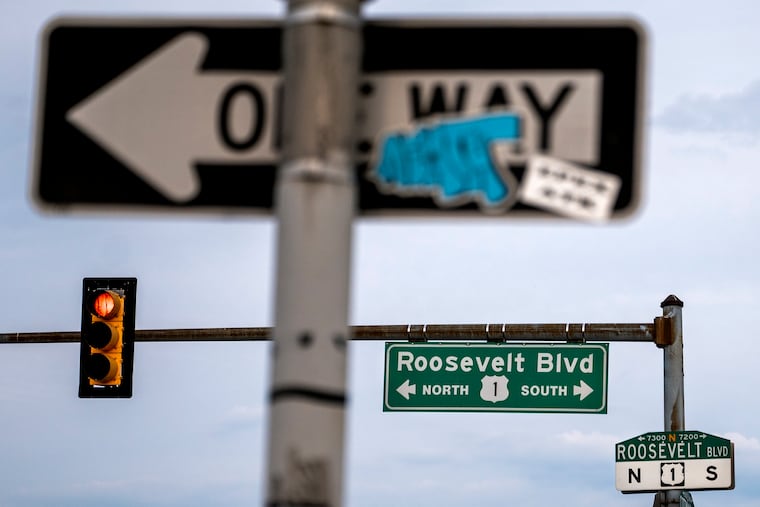
A notable example of success in the city’s safety initiatives can be seen on Roosevelt Boulevard, previously recognized as one of America’s most perilous roads. Recent improvements, including the installation of speed cameras, have reportedly saved around 50 lives since their introduction in 2020. The city has also prioritized safety enhancements in school zones, where an average of five children are struck by vehicles every week. To this end, City Council has recently approved the deployment of speed cameras in seven school zones, with plans for potential expansion based on their effectiveness.
Support from law enforcement remains critical in enforcing traffic regulations. Police Commissioner Kevin J. Bethel has acknowledged ongoing staffing challenges that necessitate prioritization of the most serious calls, but emphasized the importance of maintaining traffic safety as a focal point. Additionally, city officials are seeking greater autonomy in setting local speed limits to better address the safety needs of densely populated urban areas.
While significant strides have been made, further efforts are essential to ensure public safety in Philadelphia’s streets. The current tools and strategies indicate a positive trend toward reducing traffic fatalities, giving residents hope that continued commitment and innovative solutions could further enhance pedestrian safety in the city.
Media News Source