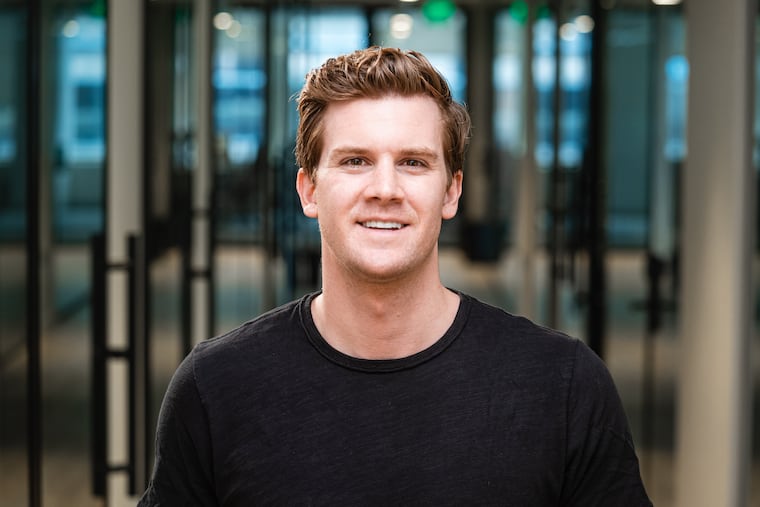
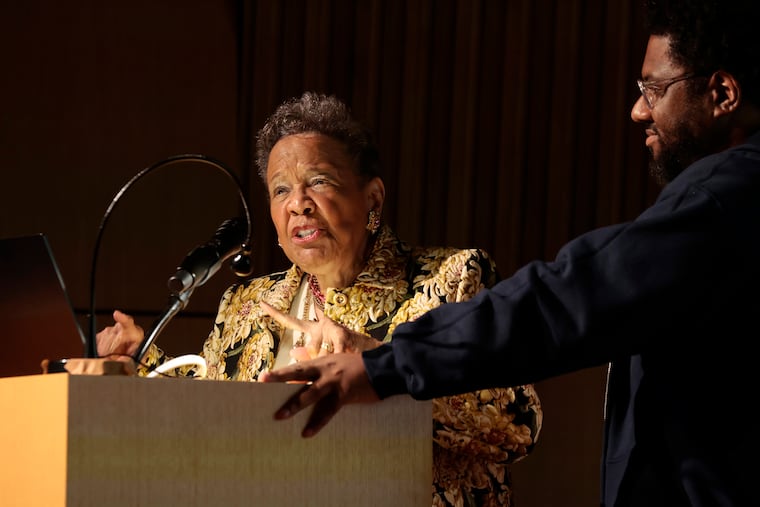
Nick Reiner experiences significant disconnection from reality during medication adjustment.
In a tragic and deeply unsettling case, Nick Reiner, the son of acclaimed director Rob Reiner, has been charged with the first-degree murders of both of his parents, Rob and Michele Singer Reiner. The 32-year-old’s arrest followed the brutal stabbings that occurred at their family home in Brentwood on December 14. Reiner now faces potential life imprisonment or the death penalty as he awaits trial.
Reports indicate that in the month leading up to the murders, Reiner’s psychiatric medications were altered, prompting concerns from medical professionals and family members. Sources have indicated that at the time of the medication change, Reiner was considered “stable” while being treated for schizoaffective disorder, a mental health condition characterized by symptoms of both schizophrenia and mood disorders, including bipolar disorder and major depression. This change in medication regime is now facing scrutiny as it may form the basis for his legal defense.
Despite being described as “agitated, erratic, and increasingly dangerous,” mental health professionals did not place Reiner on psychiatric hold during this critical period. Many insiders and observers have suggested that this clinical decision could significantly impact the course of his defense strategy, potentially arguing that a failure to stabilize his condition contributed to his state of mind during the tragic events of December 14.
On the day of the incident, Reiner’s sister, Romy, discovered their father deceased and was later informed of her mother’s murder. Following the event, Nick Reiner was apprehended and subsequently charged two days later. His emotional and psychological state has since raised alarms, leading to his placement in solitary confinement and being placed under suicide watch pending trial.
The circumstances surrounding Reiner’s mental health struggles are alarming. He has openly discussed grappling with substance abuse issues from his teenage years, during which he experienced significant hardships, including homelessness. Reiner reportedly confessed to having previously faked mental health conditions to obtain antidepressants, an admission that raises further questions about his mental state and treatment.
As the case unfolds, notable defense attorney Alan Jackson has withdrawn from representing Reiner just before his scheduled arraignment, citing “circumstances beyond our control.” He has publicly stated that he believes Reiner is not guilty of murder, a statement that he insists should be clearly communicated.
As this high-profile case develops, it continues to capture public attention, not only due to the tragic loss of two prominent figures in the entertainment industry but also because of the implications it holds for mental health treatment and its complexities. Further details are expected to emerge as Reiner’s legal proceedings progress.
Media News Source.