Norristown day shelter seeks new location to continue operations and support community needs.
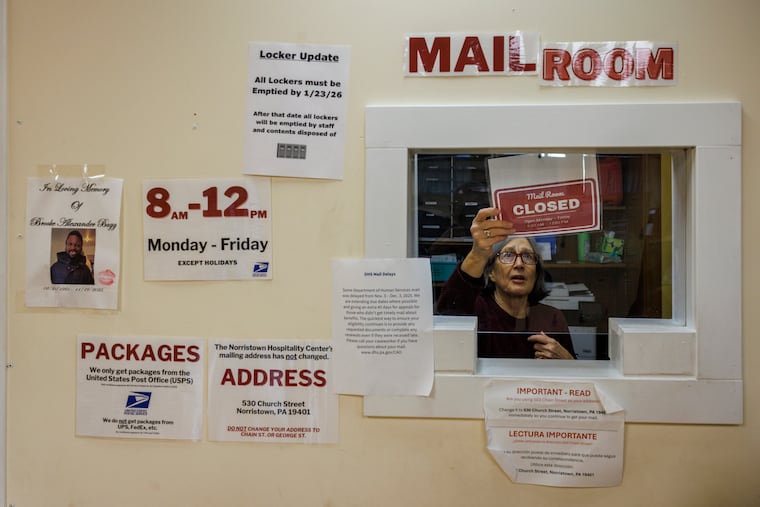
In Montgomery County, a critical resource for low-income and homeless residents faces an impending closure unless a new location is secured. The Norristown Hospitality Center, which has been a vital lifeline for vulnerable populations since its establishment in 1992, is required to vacate its current premises by the end of January.
This nonprofit day shelter provides essential services such as meals, showers, laundry, legal assistance, and various support programs. Last year, the center served approximately 1,400 individuals, a significant number of whom were experiencing homelessness. Executive director Sunanda Charles emphasized the detrimental impact on the community if the center is unable to find a new home, as no other local facilities offer a comparable range of services.
Originally located at 530 Church Street, the Hospitality Center was given notice in June 2024 by the property owner, St. John’s Episcopal Church, to vacate. The church’s decision was rooted in concerns regarding the visibility of individuals loitering outside the facility. Although initially allotted a year to find a new space, the center is now under a time constraint, having secured a temporary lease with the Senior Adult Activities Center of Montgomery County that is set to expire soon.
Efforts to relocate have been complicated by zoning regulations and community opposition. The Hospitality Center identified a potential new site at 336 E. Moore St. and initiated a purchasing agreement in December 2024. However, the request for a zoning variance sparked significant public discourse, resulting in a narrow vote against the proposal by the Norristown Zoning Hearing Board. Residents expressed concerns about the implications of having the center in a residential area, despite many acknowledging the essential services the center offers.
The challenge has prompted the center’s leadership to engage in community outreach and process introspection to navigate the regulatory landscape. Charles indicated that many potential properties would similarly require zoning adjustments, necessitating further advocacy for the center’s mission.
As the deadline nears, individuals who rely on the Hospitality Center for support express their anxiety over the potential closure. One patron, Brian Van Scoyoc, has turned to the center for respite during his five-year experience of homelessness. Van Scoyoc cited the center’s resources, such as meals and laundry services, as invaluable to him during difficult times, especially considering recent health challenges.
The urgency surrounding the Hospitality Center underscores the critical need for supportive services for those experiencing homelessness and low-income challenges in Montgomery County. Community voices advocating for the center illustrate a complex interplay of social needs and local governance, highlighting the broader narrative of compassion and community responsibility. As the center seeks solutions, there exists a belief in the potential for a positive resolution, driven by past successes and ongoing support from those who have benefited from its services.