Restaurants Adjust to Consumer Trends with Smaller Portions and Reduced Second Drink Options
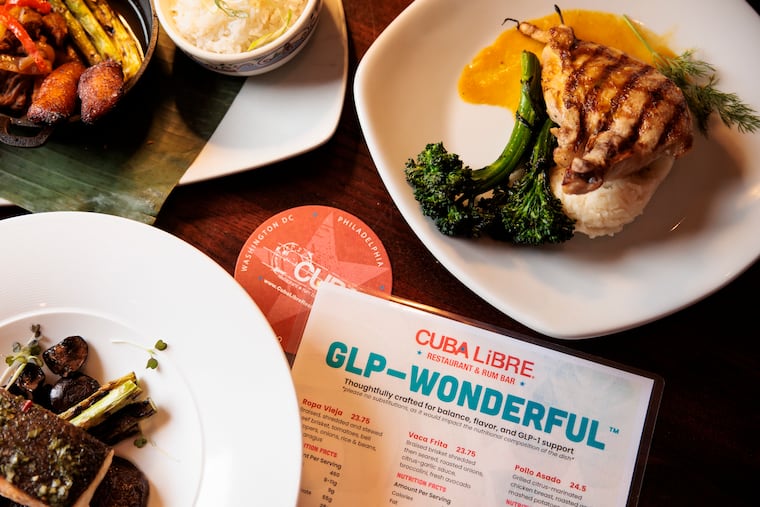
In October, Cuba Libre made headlines as one of the first full-service dining establishments in the country to introduce a GLP-1 menu. This new offering, which caters to the growing number of diners utilizing weight-loss medications, aligns with emerging dietary preferences observed among Philadelphia-area patrons.
Starting next month, the Old City venue will complement its GLP-1 menu with a “lighter portions, lighter prices” section on its regular menu. This shift comes in response to stricter budgetary considerations and dietary practices that have become increasingly prevalent among diners, as acknowledged by Barry Gutin, co-founder of Cuba Libre. The aim is to provide options that meet the varying needs of consumers who are mindful of both their health and their spending.
Consumer trends indicate that patrons are gravitating towards smaller portion sizes, and this is echoed across other establishments, including various Cuba Libre locations in Atlantic City, Washington, and Orlando. Gutin emphasized that the restaurant is committed to offering diverse menu options as patrons prioritize both dietary needs and economic value in their dining choices.
According to a recent YouGov survey, more than a third of U.S. diners report dining out less frequently than a year ago, largely due to perceived costs associated with eating out. Among those reducing their frequency, a notable percentage cited economic concerns as a determining factor. Interestingly, lower-income consumers have been particularly affected, whereas higher-income patrons have not shown significant changes in their dining habits.
This heightened attention to pricing and value is paralleled by insights from the Federal Reserve Bank of Philadelphia, underscoring that even individuals with disposable income are approaching dining decisions with increased care and scrutiny over pricing. Among upscale establishments, however, consumption appears to be resilient, as affluent households benefit from a robust stock market.
The evolving dining landscape also signals a nationwide trend among restaurateurs who are adapting their offerings in light of increasing GLP-1 medication use, which has led to appetite suppression. Many chains, including Olive Garden and Shake Shack, have responded by launching menus featuring higher-protein, smaller-portioned meals, highlighting the industry’s broader adaptation to consumer demands.
As of November, approximately one in eight U.S. adults reported taking a GLP-1 medication, according to a survey by the Kaiser Family Foundation. While these drugs serve as remedies not only for weight loss but also for chronic conditions like diabetes, their growing acceptance is shaping how restaurants approach menu development.
At the bar, changing consumer behaviors are evident, with alcohol consumption rates declining sharply. A July Gallup survey indicated that only 54% of adults reported drinking alcohol, the lowest figure recorded in nearly a century. This trend is likely to be reinforced as some individuals abstain from alcohol in accordance with the “Dry January” movement.
Philadelphia’s restaurateurs are reacting to these shifts, striving to maintain their customer base amid fluctuating spending patterns. Many establishments are adopting more flexible pricing structures and enabling affordability through special deals and promotions, aiming not only to attract patrons but also to enhance overall dining experiences as consumer preferences continue to evolve.
Overall, the dynamics of dining within the Philadelphia area reflect broader trends that emphasize economic considerations and health awareness, prompting an ongoing transformation in how restaurants conceive their menus and marketing strategies.