Justice Department confirms no current FBI investigation into Minneapolis shooting.
In the wake of the shooting death of Renée Good in Minneapolis, federal authorities, including the FBI, have initiated a civil rights investigation concerning the actions of the immigration officer involved in the incident. Evidence reviewed by agents has led to the decision to formally examine the conduct of Jonathan Ross, the officer who discharged his weapon during the encounter. This investigation stands in stark contrast to the assertions made recently by Deputy Attorney General Todd Blanche, who publicly asserted that federal scrutiny of the shooting was unwarranted.
During an appearance on Fox News, Blanche noted the high volume of law enforcement shootings that occur annually, suggesting that self-defense claims by officers are common and do not always merit an extensive federal investigation. Blanche emphasized that the Justice Department does not activate investigations merely due to public or political pressure, claiming that the circumstances surrounding Good’s shooting did not meet their threshold for inquiry. Instead, it has been reported that Justice Department officials have redirected their focus towards investigating Good’s partner, who was present at the scene.
Legal experts point out that the FBI typically faces a low threshold for initiating civil rights inquiries, indicating a divergence between the perspectives of prosecutors and agents regarding the appropriateness of pursuing such investigations. The FBI has not publicly commented on their internal decisions regarding this particular case.
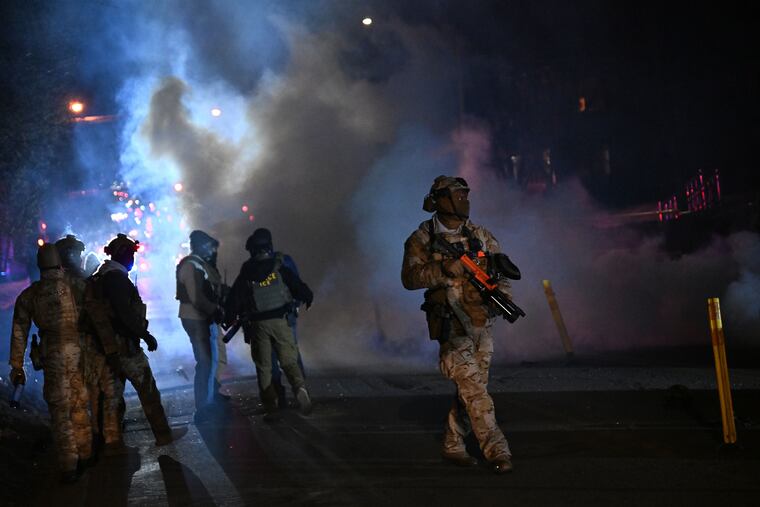
The shooting, which took place on January 7 and left Good, a 37-year-old American citizen, dead, has resulted in significant controversy. Witnesses reported that Good’s partner was protesting against Immigration and Customs Enforcement (ICE) officers at the time of the shooting, which adds another layer of complexity to the case. As the investigation unfolds, various senior prosecutors in Washington and Minnesota have expressed dissatisfaction with the Justice Department’s approach, which has reportedly led to resignations among key personnel in the aftermath of the shooting.
Amidst the turmoil, five prosecutors in Minnesota, including a deputy, resigned in protest against the Justice Department’s directive to investigate Good’s partner instead of the officer involved. Their departures reflect broader frustrations with the current federal handling of the case, with some prosecutors in Washington also choosing to leave their positions, citing a lack of inclusion in the matter.
Critics, including W. Anders Folk, former acting U.S. attorney for Minnesota, have stressed the importance of a thorough, impartial investigation. They argue that only a comprehensive review can restore public trust in law enforcement and ensure accountability. The legal framework for scrutinizing officer use of force is complex, and experts caution that insufficient scrutiny could lead to a premature conclusion regarding the officer’s justification in using lethal force.
The situation has escalated further as Minnesota Governor Tim Walz and Minneapolis Mayor Jacob Frey have claimed that they are being obstructed from conducting their own investigation by federal authorities. Both officials have denied any allegations of wrongdoing and have accused the Trump administration of politicizing law enforcement actions.
The emergence of these investigative layers underscores a pressing need for transparency and accountability in law enforcement practices, reflecting the ongoing national conversation about police conduct and civil rights.