
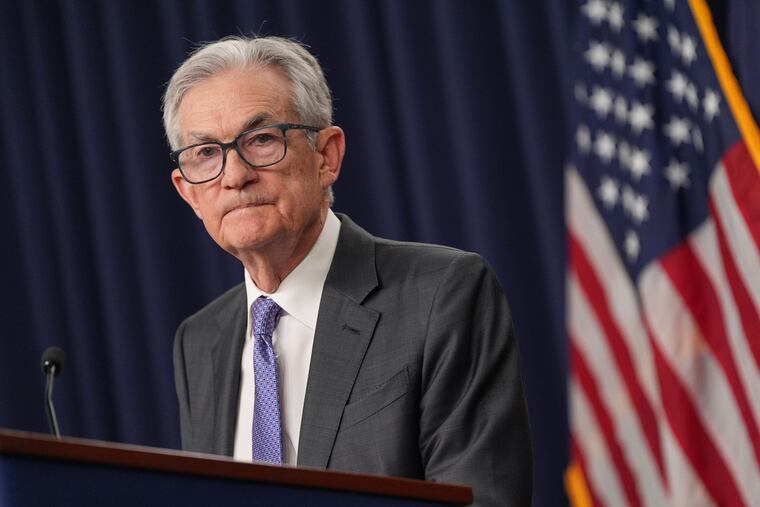
Federal Reserve Chair Jerome Powell to participate in Supreme Court argument regarding Cook case.
Federal Reserve Chair Jerome Powell is scheduled to attend the Supreme Court hearing on Wednesday concerning the potential dismissal of Federal Reserve Board Governor Lisa Cook. This marks an unusual but significant demonstration of support from the central bank’s leader, highlighting the contentious nature of the case.
At the heart of the legal battle is a question of authority and governance: can President Donald Trump terminate a sitting Federal Reserve governor? Trump had indicated his intention to remove Cook in August, claiming she engaged in malfeasance. If the Supreme Court were to rule in favor of the President, it would set a significant precedent regarding the political oversight of the Federal Reserve, which traditionally operates with a degree of independence from executive influence.
Powell’s attendance at the proceedings has raised eyebrows, particularly given the context of his previous, more muted defenses of the Federal Reserve against Trump’s critique. In an earlier statement, Powell condemned subpoenas issued by the Trump administration as politically motivated attempts to exert control over Fed policy. Such subpoenas represented an unprecedented move to indict the Federal Reserve Chair himself, raising alarms over the integrity and autonomy of the central bank.
Since last year, Powell has faced increased pressure due to criticism from Trump concerning monetary policy and interest rates. The President has expressed a desire for significantly lower interest rates—suggesting as low as 1%—while Powell has favored more moderate adjustments, with the Fed recently lowering rates to around 3.6%. This divergence in economic philosophy has led to heightened tensions between the Trump administration and the central bank.
The Trump administration has leveled serious allegations against Cook, including claims of mortgage fraud, which she vigorously denies. Although no formal charges have been brought against her, Cook has initiated legal action to secure her position, leading to a temporary order from the Supreme Court permitting her to remain on the board pending the ultimate decision on her case.
Should Trump successfully force Cook’s removal, he would gain the opportunity to designate a replacement, thereby solidifying a majority of his appointees on the Federal Reserve Board. This shift could significantly alter the landscape of monetary policy and regulatory decisions, granting the administration increased influence over the central bank’s critical functions.
As the legal proceedings unfold, the implications for financial governance and the degree of political influence on economic policy remain pressing concerns for observers in both the political and financial arenas. The Supreme Court’s ruling could have sweeping consequences for the independence of the Federal Reserve and its ability to operate free from executive pressure.


