Mexico extradites 37 cartel members to the U.S. in an effort to strengthen cooperation with the Trump administration.
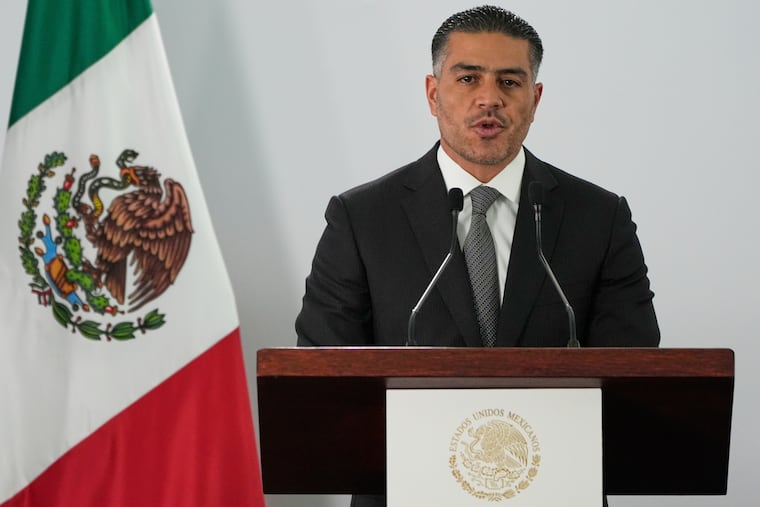
In a strategic move to address ongoing pressure from the United States, Mexico’s security minister announced the extradition of 37 members of drug cartels to the U.S. This action forms part of a broader response by the Mexican government to U.S. demands for intensified efforts to thwart criminal organizations responsible for drug trafficking across the U.S.-Mexico border.
Omar García Harfuch, Mexico’s Security Minister, referred to the extradited individuals as “high impact criminals” posing significant risks to national security. This marks the third instance in under a year where Mexico has facilitated the extradition of cartel members in response to heightened expectations from the Trump administration. Over the past year, a total of 92 individuals have been transferred, reinforcing Mexico’s commitment to comply with U.S. law enforcement objectives.
Video footage released by Mexican authorities displays handcuffed prisoners being escorted by heavily armed officers and then loaded onto a military aircraft. Analysts suggest that the increasing pressure from the White House necessitates extraordinary measures such as these transfers, demonstrating Mexico’s willingness to act in the face of international scrutiny regarding its drug trafficking situation.
The latest group of extradited individuals includes key figures associated with major cartels, including the Sinaloa Cartel, the Beltrán-Leyva Cartel, and the Jalisco New Generation Cartel. Among them is María Del Rosario Navarro Sánchez, noted for being the first Mexican citizen charged in the United States for allegedly providing support to a terrorist organization through cartel involvement.
The ongoing U.S.-Mexico dialogue regarding drug cartels has become increasingly combative, especially following U.S. military actions recently undertaken in Venezuela, which has drawn the attention of both governments. President Trump hinted at potential military options against Mexican cartels, a statement that elicited responses from the Mexican leadership emphasizing the need for collaboration rather than intervention.
Recent communications between Trump and Mexican President Claudia Sheinbaum reaffirmed their commitment to cooperative measures to combat drug trafficking. They aim to find common ground while assuring mutual respect for sovereignty. This aligns with efforts shown earlier this year when Mexico extradited high-profile cartel members, including Rafael Caro Quintero, who had been implicated in violent crimes against U.S. officials.
The patterns of extradition reflect Mexico’s strategy to curtail cartel influence while fulfilling its obligations under international law enforcement cooperation agreements. As the situation evolves, it continues to draw attention to the complexities and challenges of addressing drug trafficking in a collaborative international context.