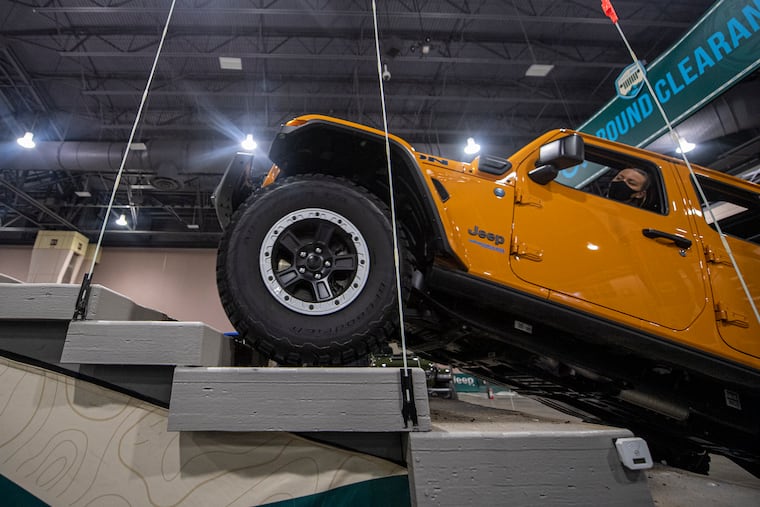
Philly Auto Show expands with a focus on electric vehicles following a tumultuous year for the automotive industry.
The automobile industry is currently navigating a landscape defined by factors such as fluctuating market conditions, tariff implications, electric vehicle (EV) rebates, and affordability challenges. As the calendar shifts from 2025 to 2026, these themes will likely be pivotal discussions, yet they may be overshadowed by the excitement surrounding the upcoming 2026 Philadelphia Auto Show. Set to commence on Saturday at the Pennsylvania Convention Center, the event, organized by the Auto Dealers Association of Greater Philadelphia, is poised to attract thousands of visitors eager to explore a diverse range of vehicles.
With nearly 700,000 square feet of exhibit space, the auto show marks a return to the grandeur of pre-pandemic automotive expos, expanding its offerings with the addition of five new brands: Genesis, Lincoln, Lucid, Polestar, and Volvo. This year, the show will feature a total of 27 brands, representing the broadest lineup since 2020. The increase in participation, along with a doubling of the electric vehicle ride program, indicates a revitalization of public interest in the automotive sector.
Among the vehicles generating buzz at the show are notable models such as the redesigned 2026 Subaru Outback SUV, the reimagined Honda Prelude Hybrid sports coupe, and the new Ford Maverick hybrid small pickup, among others. Other high-profile exhibits include the Chevrolet Corvette and the Jeep Recon, attracting both nostalgic and new automotive enthusiasts.
Despite presenting a relatively stable sales trend—with a national increase of 3.3% in vehicle sales for 2025—the industry continues to confront uncertainties stemming from tariff policies and shifting EV rebate structures. According to data from Cox Automotive, vehicle sales reached 16.3 million units in 2025, the highest figure recorded since the onset of the pandemic. However, the end of EV rebates poses challenges in making electric vehicles attractive to consumers, prompting manufacturers to enhance their offerings and marketing strategies.
The auto show will also heavily feature electric vehicles, providing attendees the opportunity to experience a variety of electric and hybrid models through an enhanced E-Track experience. This indoor track, which allows visitors to test drive different EV brands, emphasizes the ongoing transformation in automotive powertrains.
In light of the shifting focus towards hybrids, industry experts indicate a renewed interest among manufacturers to develop hybrid models devoid of plug-in requirements, capitalizing on technology that optimizes fuel efficiency through the use of electric motors.
The backdrop of economic uncertainty, paired with concerns over tariff effects on vehicle pricing, raises pertinent questions regarding affordability for consumers. As manufacturers adapt to the evolving economic landscape, pricing pressures are expected to be transferred to buyers.
While the broader auto industry grapples with these complexities, the 2026 Philadelphia Auto Show emerges not just as a marketplace for vehicles, but also as a space for community engagement and celebration of automotive history. The event will showcase an array of attractions, from hands-on driving experiences to historical displays commemorating pivotal moments in American history.