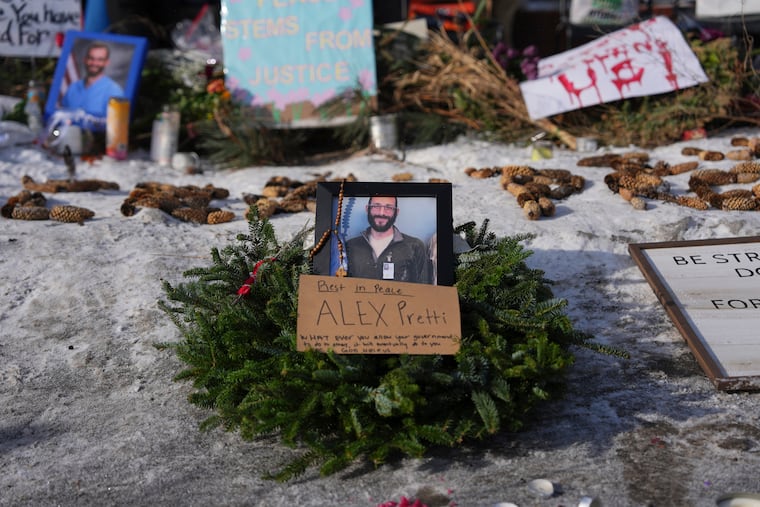
Alex Pretti becomes a new victim in the Trump administration’s quest for power.
In a recent examination of law enforcement practices at the U.S.-Mexico border, incidents involving the U.S. Customs and Border Protection (CBP) have raised significant questions about the use of force and approaches to dialogue in potentially volatile situations. This evaluation stems from a personal experience shared by a participant in the CBP media academy, where they simulated a border crossing scenario that quickly escalated into violence.
During the exercise, the participant, stationed at a pedestrian border crossing in Nogales, Arizona, was confronted by an aggressive individual who refused to present identification. The scenario, representative of real-life confrontations faced by CBP officers daily, transformed rapidly into a situation where the participant was forced to utilize lethal force. This striking example mirrors numerous reports of escalating tensions between law enforcement agents and civilians, often resulting in tragic outcomes.
In the wake of past incidents, the operational ethos of CBP has come under scrutiny. The emphasis on “exerting control” by border agents has led to comparisons with instances of excessive use of force in similar contexts, often exacerbated by a prevailing culture that prioritizes dominance over de-escalation. A critical observation noted is how this drive for control has manifested in actions viewed as overly aggressive, such as the forceful response to civilians questioning law enforcement intentions. Videos of various confrontations exhibit how swiftly interactions can deteriorate into violence, raising alarms about the protocols that govern agent conduct.
Notable incidents underscore the real-world implications of this enforcement approach. The tragic case of Renee Good, who lost her life after being confronted by ICE agents, highlights the dangers inherent in the operational priorities that seek immediate compliance over measured engagement. Following this, the death of Alex Pretti, who intervened on behalf of women being treated harshly by Border Patrol agents, demonstrates how a lack of control can spiral into chaos, culminating in unexpected fatalities.
These episodes have sparked critical dialogue about law enforcement’s methods and the narratives shaped by officials in the aftermath of such events. Across various platforms, the responses from border officials and political leaders often detract from accountability, instead framing victims in unflattering terms that serve to redirect blame away from systemic issues.
The urgency for reform in how law enforcement agencies operate is palpable. Incidents of excessive force and mismanaged escalations necessitate a comprehensive reevaluation of training protocols, community engagement strategies, and an overall commitment to safeguarding citizens’ rights. Authorities from multiple jurisdictions, as well as the public, must advocate for changes that address the troubling trends observed in these confrontations to restore trust and uphold integrity in law enforcement operations.
Public pressure and engagement remain crucial as society grapples with the complexities of maintaining safety while respecting civil liberties. The growing call for reform within enforcement agencies signifies a broader desire for a system that prioritizes the preservation of life and the upholding of rights enshrined in the Constitution. As discussions continue, it is clear that the path to achieving these objectives will require both accountability and a genuine commitment to change from within.
This analysis reflects the evolving landscape of law enforcement practices, emphasizing the critical need for dialogue around the use of force and overall conduct in the field. Ultimately, the goal must be to foster an environment where both law enforcement and community members can coexist safely and respectfully.