New Jersey Supreme Court to determine if grand jury investigation into statewide clergy abuse will proceed.
The New Jersey Attorney General’s Office presented its case before the state Supreme Court on Monday, arguing that a lower court acted prematurely in a controversial decision regarding an investigation into sexual abuse allegations against members of the clergy associated with the Camden Diocese. The legal proceedings reveal the complex intersection of law, religious institutions, and public interest, raising significant questions about the accountability of private organizations in light of prolonged allegations of misconduct.
At the center of the case is a ruling made by Mercer County Superior Court Judge Peter Warshaw in 2021, which has since been appealed by state prosecutors. The judge sided with the Camden Diocese, arguing that New Jersey law restricts grand jury reports to public officials and agencies, thereby preventing an investigation into the church’s conduct. Attorney Lloyd Levinson, representing the diocese, contended that the state’s prosecutors overstepped their boundaries by extending their investigative reach to private institutions.
The investigation originally sought to address decades of sexual abuse allegations involving clergy members in New Jersey. In 2018, state officials indicated a desire for a comprehensive inquiry resembling the one conducted by the Pennsylvania Attorney General’s Office, which had produced significant public accountability for similar allegations. However, the diocese’s subsequent legal objections led to a motion that restricted the ability for prosecutors to target private entities.
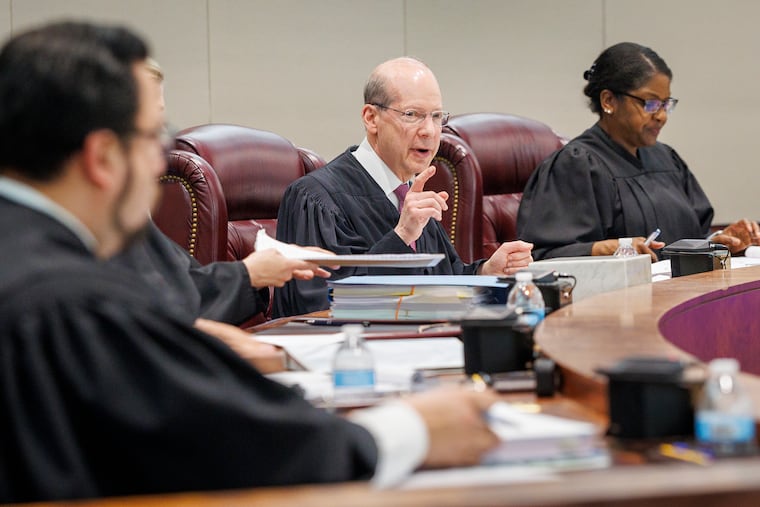
In Monday’s proceedings, Deputy Solicitor General Michael Zuckerman argued that preventing a grand jury from convening at the outset contradicts established legal norms, as these investigations can yield unexpected findings. He emphasized that by blocking the probe before any definitive report could be drafted, the court was undermining due process.
The stakes of the case are heightened by the Camden Diocese’s troubled history with allegations of clerical abuse. In 2020, the diocese filed for bankruptcy in response to a slew of lawsuits and ultimately compensated victims, amounting to approximately .5 million for claims made by around 300 individuals. The court’s recent unsealing of documents related to the case has ignited further outrage among survivors of abuse, who argue that clarity and accountability are essential for victims seeking justice.
Justices of the state Supreme Court expressed curiosity about the implications of ruling on a grand jury report that remains unwritten, reflecting a broader concern for how such legal standards might expand the prosecutorial power over private entities. The complexities of this case underscore ongoing societal debates about the balance between legal oversight and religious autonomy, particularly in instances of alleged abuse. While the timeline for the court’s decision remains uncertain, analysts foresee significant ramifications for future investigations into clergy misconduct in New Jersey and potentially beyond.
As the legal process unfolds, the implications of this case extend beyond the courtroom, touching on broader themes of accountability, transparency, and the enduring quest for justice among survivors of abuse. The impending decision from the New Jersey Supreme Court will likely set important precedents for the relationship between state law and religious institutions in matters of public concern.
Media News Source.