
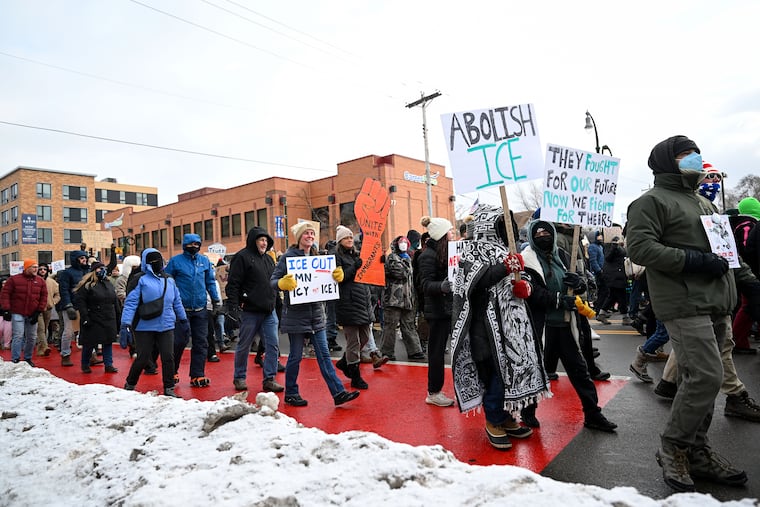
Trump states federal intervention in protests in Democratic-led cities will only occur if requested.
President Trump Restricts Federal Intervention in Democratic Cities Amid Immigration Protests
Aboard Air Force One, President Donald Trump announced on Saturday that he has directed Homeland Security Secretary Kristi Noem not to engage with protests in cities governed by Democrats unless local officials explicitly request federal assistance. This statement comes as criticism of his administration’s immigration enforcement policies intensifies.
Trump expressed his stance through a post on his social media platform, indicating that the federal government would refrain from intervening in what he described as “poorly run Democrat Cities” concerning protests or riots unless solicited for support. He reinforced this message during remarks to reporters while traveling to Florida, stating that Democratic cities often complain about federal involvement but do not seek help when needed.
While Trump did not reveal specifics about the implications of this directive for the operations of U.S. Immigration and Customs Enforcement (ICE) or other federal agencies, he emphasized a commitment to safeguarding federal properties from what he termed “highly paid lunatics, agitators, and insurrectionists.” He directed ICE and Border Patrol to adopt a vigorous approach in protecting federal government property.
The president’s comments come amidst growing resistance to federal law enforcement actions in various cities, including Minnesota’s Twin Cities, where Attorney General Keith Ellison and local mayors have voiced concerns over perceived violations of constitutional rights. A federal judge recently ruled against halting immigration enforcement in the region, despite local officials seeking to limit the scope of such operations.
Tensions have escalated in Minnesota following the fatal shootings of two individuals by federal officers. These events have fueled widespread protests, with thousands marching against the federal government’s immigration policies. Trump indicated that local officials seeking federal intervention must formally request assistance, asserting that any help provided would be met with appreciative acknowledgment from these leaders.
In response to questions about the potential for future conflicts involving immigration enforcement, Trump affirmed that individuals who harm federal law enforcement officers would face consequences. He noted that the administration has previously deployed federal forces in cities like Washington D.C., Los Angeles, Chicago, and Portland.
As part of his ongoing efforts to manage the situation, Trump mentioned plans to engage with his appointed officials regarding the enforcement strategies in Minnesota. He also expressed support for the idea of immigration agents wearing body cameras, suggesting that increased transparency could improve relations between law enforcement and citizens.
The current dynamics surrounding federal immigration enforcement illustrate significant political divides, with criticism mounting against the administration’s tactics and demands for greater accountability from federal officials. The unfolding situation remains a point of contention, reflecting broader national debates over immigration policy, law enforcement practices, and state autonomy.
As the Trump administration continues to navigate these challenges, the responses from local leaders and communities will likely play a crucial role in shaping federal engagement in the coming weeks.
Media News Source


