Severe winter weather causes heavy snow, flight cancellations, and falling iguanas in Florida.
A significant winter storm, classified as a bomb cyclone, impacted large portions of the United States over the weekend, bringing severe cold temperatures, heavy snowfall, and widespread transportation disruptions. From the Gulf Coast to New England, approximately 150 million people were placed under extreme cold warnings and weather advisories, with wind chills nearing zero degrees Fahrenheit or lower, especially in the southern regions. This wave of frigid air in Florida marked the coldest temperatures recorded there since December 1989, according to meteorologists.
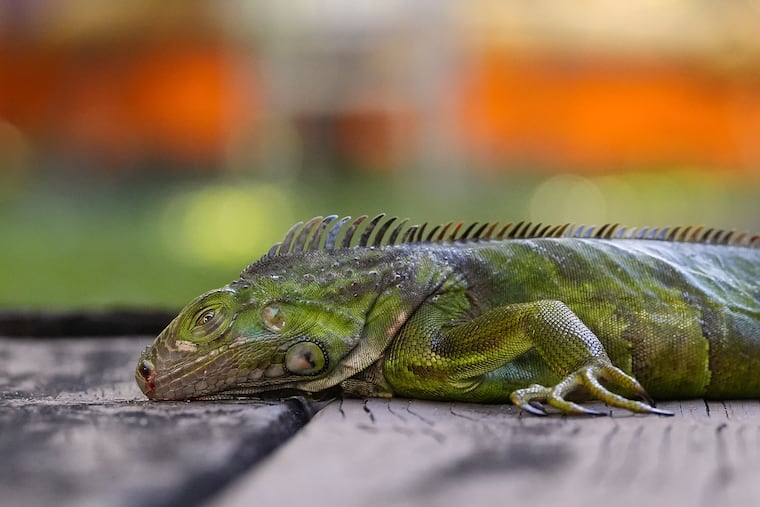
In the Tampa-St. Petersburg area, light snow flurries were reported, with temperatures plunging into the 20s in the Panhandle and the low 30s in South Florida. These conditions have caused iguanas, a common reptile in the region, to become cold-stunned and unable to move, highlighting the harshness of the weather. Additionally, cold temperatures have prompted concerns for Florida’s agricultural sector, affecting crops such as strawberries and oranges. Locally, farmers often resort to spraying water on their crops to create a protective layer of ice that can shield them from freezing temperatures.
The storm’s severe impacts were most prominently felt around Charlotte, North Carolina. The city experienced nearly a foot of snowfall, marking one of the top five snow events in its history. As a result, significant flight disruptions occurred, with over 2,800 cancellations reported on Saturday and an additional 1,500 on Sunday, a situation severely affecting travel as Charlotte Douglas International Airport was among the hardest hit with about 800 cancellations.
Traffic incidents were also prevalent; as numerous accidents occurred on Interstate 85, leading to hours-long backups. The North Carolina State Highway Patrol reported over 1,000 traffic collisions, and tragically, two fatalities were confirmed. In the wake of these weather challenges, the states of Tennessee and Mississippi faced prolonged power outages, impacting around 97,000 customers still without electricity as of Sunday.
Utility companies in Nashville have projected that power will be restored to 90% of affected customers by Tuesday, with full restoration aimed for the following Sunday. This weather event has been described by officials as unprecedented, with Mississippi authorities declaring it the state’s worst winter storm since 1994. Emergency resources have been mobilized in both states, including the opening of over 80 warming centers and the deployment of National Guard troops for supply distribution.
Meteorologists anticipate that several regions of the Carolinas will require more time to recover from the storm’s aftermath, with cold gusty winds expected to persist. Looking ahead to mid-week, there is a possibility of light snowfall extending into parts of the Ohio Valley and mid-Atlantic states.
For more updates on weather conditions and potential impacts, stay tuned to reliable news sources.