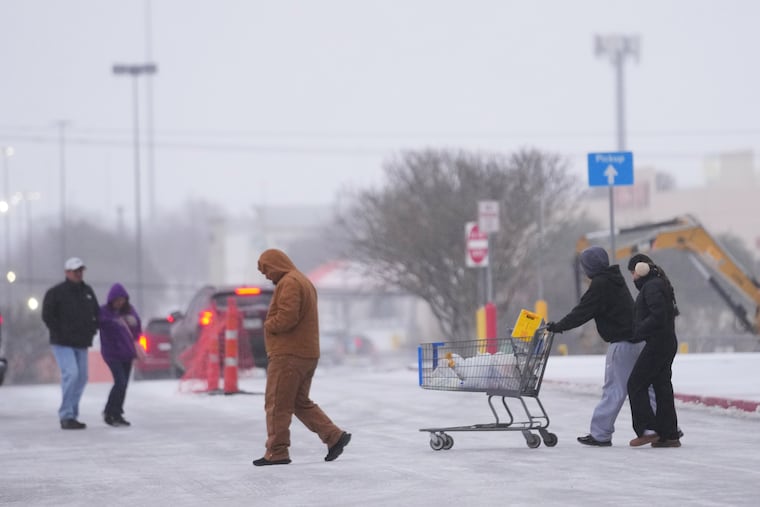
Frigid temperatures to return to much of the U.S. following a weekend of heavy snowfall.
Forecasters have issued warnings of dangerously cold conditions that are expected to linger into Monday morning across a significant portion of the United States, stretching from the Gulf Coast to New England. This follows a severe bomb cyclone that brought heavy snowfall, widespread flight cancellations, and unusual weather phenomena, including falling iguanas in Florida.
As temperatures rise slightly throughout the day, millions across the region continue to face challenges, particularly those who have been without power due to an ice storm that struck the South last month. On Sunday, approximately 150 million people were placed under cold weather advisories and extreme cold warnings, particularly in the eastern United States, where temperatures plummeted to single digits in southern states. In South Florida, residents grappled with the coldest air mass recorded since December 1989, according to meteorologist Peter Mullinax from the National Weather Service.
In North Carolina, the National Weather Service warned that wind chills could plummet to near zero degrees Fahrenheit (-17 degrees Celsius) on Monday morning. Travel remains hazardous due to lingering snow and ice, with specific areas reporting substantial snowfall. James City recorded 18 inches (45 centimeters), while Swansboro saw 17 inches (43 centimeters). The bomb cyclone, characterized by its rapid intensification, was responsible for nearly a foot of snow in and around Charlotte, marking it as one of the top five snow events in the city’s history.
The storm had a significant impact on the travel industry, resulting in over 2,800 flight cancellations across the United States on Saturday, followed by an additional 1,800 on Sunday, particularly affecting Charlotte Douglas International Airport. Compounding issues, Interstate 85 experienced severe traffic disruptions due to multiple accidents caused by the treacherous road conditions.
In Florida, the unexpected cold snap resulted in snow flurries in places like the Tampa-St. Petersburg area, while temperatures dipped into the 20s in the Panhandle and the 30s in South Florida. The cold has also had an adverse effect on local agriculture, with ice forming on strawberries and oranges, prompting farmers to take protective measures to mitigate crop damage.
As the winter weather continues to wreak havoc, over 110 deaths across the nation have been attributed to the wintry conditions since late January. Particularly in Tennessee and Mississippi, where prior storms had already destabilized power supply, over 81,000 customers were still without electricity by Sunday evening. Nashville Electric Service anticipates the return of power to most customers by Tuesday, while Mississippi officials declared the current winter storm to be the worst since 1994.
As communities work to recover, reports of infrastructure damage, including an unoccupied beachfront house that collapsed in North Carolina due to heavy waves, underline the storm’s severity. Local residents are bracing for ongoing challenges, as weather predictions indicate the potential for further light snow across the Ohio Valley and mid-Atlantic regions as the week progresses.
This severe winter weather serves as a stark reminder of the powerful and unpredictable nature of bomb cyclones and the far-reaching implications they can have on everyday life across the United States.
Media News Source