NASA postpones lunar mission for astronauts to March due to hydrogen leaks during fueling tests.
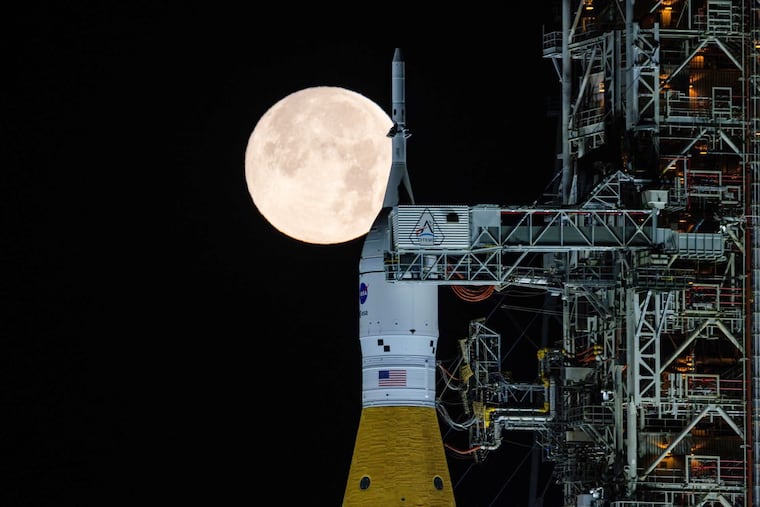
NASA’s anticipated lunar mission, which would mark humanity’s return to the Moon, has been postponed until at least March due to ongoing issues with hydrogen fuel leaks. These leaks hindered the critical dress rehearsal for the Artemis program at the Kennedy Space Center, a pre-launch procedure essential for ensuring the integrity and safety of the mission. This setback echoes problems encountered during the Space Launch System (SLS) rocket’s previous testing and launch attempts, which were similarly affected by hydrogen leaks that delayed its inaugural flight for months.
NASA officials, including John Honeycutt from the agency’s Artemis program, expressed concern over the unexpected nature of this latest malfunction. The rigorous preparations had aimed for a launch window as early as this weekend, setting the stage for the first crewed lunar expedition in more than 50 years. The mission’s objectives are part of the broader Artemis initiative, which focuses on returning astronauts to the lunar surface, particularly the Moon’s south pole, and establishing a sustainable presence there.
The launch team aims to conduct another fueling test to address the malfunctions before committing the four astronauts—three from the U.S. and one from Canada—to a lunar circumvention. However, the exact schedule for resuming the countdown dress rehearsal remains uncertain. NASA’s plan to address any required repairs or adjustments to damaged seals and components suggests that these fixes can likely be undertaken on-site without necessitating a return to the Vehicle Assembly Building, which would exacerbate delays.
During the countdown, technicians encountered repeated issues with escaping hydrogen, which, at extreme sub-zero temperatures, posed safety risks and mandated halting operations just minutes before the anticipated launch. Despite attempts to moderate the liquid hydrogen flow and warm areas between the rocket and fuel lines, these measures proved ineffective, echoing similar challenges during earlier SLS operations.
As the current timeline extends to at least March 6 for the next launch attempt, the crew, led by Commander Reid Wiseman, has been released from their quarantine period but will re-enter isolation two weeks prior to any future launch. The harsh conditions at the launch site did not contribute to the fuel leaks, and the Orion capsule remained shielded from the elements.
The Artemis program represents a significant uptick in NASA’s aspirations to explore the Moon. While this mission’s focus is primarily on systems checks rather than embarking on lunar landings, it is designed to pave the way for more extensive lunar exploration in the coming years. The initiative seeks to build on the achievements of the Apollo program, aiming to send astronauts not only around the moon but also to establish a lasting human presence on its surface.
As NASA undergoes these hurdles in the Artemis program, the agency remains committed to its goals, recognizing that the SLS is still an experimental vehicle that offers valuable lessons for future missions. With the passing of decades since the last crewed lunar flight, the Artemis initiative seeks not only to revisit the Moon but to redefine humanity’s exploration ambitions in our solar system.
Media News Source.