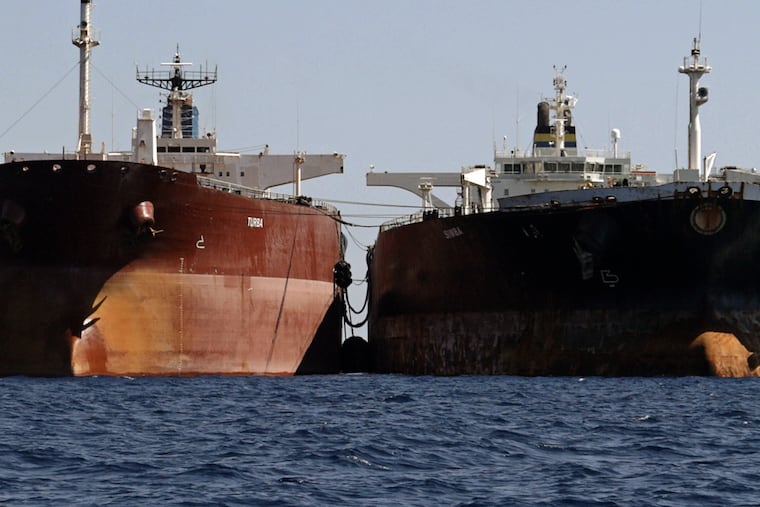
West targets Russia’s oil fleet, raising concerns in Moscow about potential impacts on war funding.
The European Union is intensifying its efforts to restrict Russian oil shipments amidst ongoing geopolitical tensions and financial pressures stemming from Moscow’s military activities. A potential new sanctions package may include a comprehensive maritime ban prohibiting services integral to transporting Russian oil, such as insurance and shipping operations, moving beyond the existing price cap regime. This initiative marks the four-year anniversary of Russia’s invasion of Ukraine.
Such a ban could significantly escalate pressures on Russian oil exports, replacing the previously implemented price cap and potentially affecting nearly half of Russia’s oil exports, equating to approximately 3.5 million barrels per day which travel through European waters, particularly the Baltic and Black Seas. Destinations for this oil largely include refineries in India, China, and Turkey.
Recent reports indicate that Russia’s oil revenue has seen a drastic decline, with January earnings down 50 percent compared to the same month in the previous year, following new sanctions from the U.S. aimed at Russian oil giants Rosneft and Lukoil. Consequently, Moscow has been forced to offer steep discounts, exacerbating its economic vulnerabilities as international allies, including India, reassess their import strategies.
European nations have raised alarms about the vast fleet of Russian tankers evading sanctions through various methods, including registering under flags of convenience from countries with lax regulations. Notably, the seizure of the Marinera tanker by U.S. authorities, alongside French naval operations targeting the shadow fleet, underscores the growing international resolve to limit Russia’s ability to transport oil discreetly.
This tightening of maritime rules is accompanied by warnings from Russian finance officials about a looming economic crisis, prompted by declining revenue and increasing monetary pressures on the banking system. While some Russian business leaders predict impending economic hardships, there remains little indication that President Vladimir Putin is prepared to alter his aggressive military stance or engage in meaningful negotiations.
The proposed maritime ban requires unanimous approval from EU member states, making its future uncertain. However, heightened risks associated with pirate attacks and interceptions could further complicate the shipping landscape for Russian oil. Analysts suggest that the ramifications of these changes may prompt Russia to reflag its tanker fleet under domestic flags, presenting both economic challenges and potential political tensions.
Amidst these developments, the strategic contest continues, with Ukraine also enhancing its operations against Russian maritime activities, which may lead to higher operational risks and costs for Russian oil transportation. This evolving situation illustrates the delicate balance of power and economic resilience within the region, with serious implications for global energy markets and political diplomacy.
As both European aggressiveness and Russian adaptability persist, the ongoing conflict over oil exports will likely remain a pivotal aspect of the broader geopolitical narrative.