Philadelphia’s move to limit ICE operations may challenge the authority of local governments over federal agents.
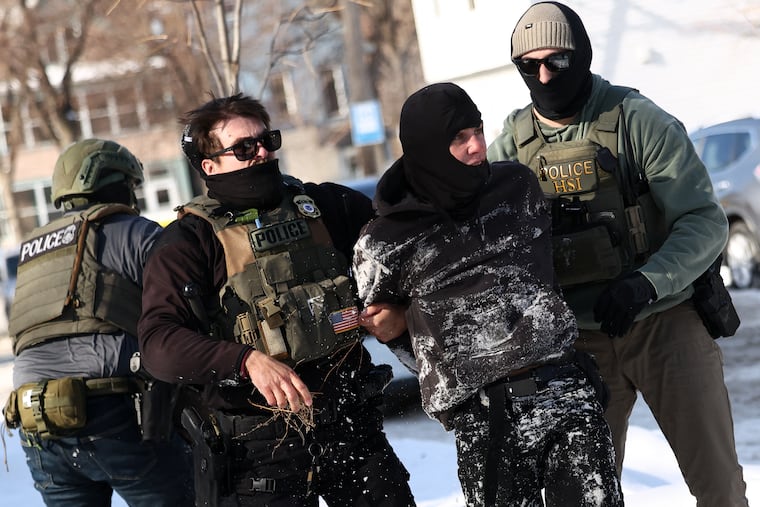
Recent developments in Philadelphia highlight escalating tensions surrounding practices employed by U.S. Immigration and Customs Enforcement (ICE) agents, particularly their use of face masks during enforcement actions. Philadelphia lawmakers are considering legislation aimed at prohibiting all law enforcement officers, including federal agents, from concealing their identities while on duty. This proposed ban has ignited debate about the city’s ability to regulate federal activities and the complexities of federal versus local law enforcement powers.
The use of masks by ICE agents has become emblematic of contentious enforcement tactics, which advocates argue resemble “kidnappings” and “abductions.” Concerns have intensified in recent years as federal agents frequently operate without clear identification, often dressed in plain clothes, and use unmarked vehicles for sweeps. In response, local officials aim to enhance transparency and safety for residents.
The current legislative effort is part of a broader package that seeks to limit ICE operations in Philadelphia. It follows widespread political and public sentiment urging the unmasking of federal agents, with a recent Pew Research Center survey indicating that 61% of Americans disfavor federal agents using face coverings. Notably, California has also been exploring similar legislative measures, with litigation still pending in light of challenges from the federal government.
Legal experts are divided regarding the prospective effectiveness of Philadelphia’s proposed legislation. Local jurisdictions often encounter legal barriers when attempting to impose regulations on federal entities, as federal law typically dominates in areas like immigration enforcement. Critics point out that local police might face challenges in enforcing such a ban if it is deemed to conflict with federal operations.
In contemplating the practicality of enforcement, violations of the proposed mask ban would be categorized as civil infractions, which raises the question of whether officers can effectively cite their peers. Critics of the legislation have expressed skepticism about its enforceability, suggesting that legal action will likely follow if the ban is enacted.
Supporters of transparency argue that requiring ICE agents to identify themselves is a matter of public safety, as the current operational methods breed fear and confusion. Instances of impersonation among individuals posing as ICE agents have been reported, further fuelling national dialogue about safety and accountability in immigration enforcement.
City Councilmembers championing this initiative underscore their commitment to fortifying the safety of Philadelphia’s residents. They argue that unmasking federal agents will build trust within communities that fear aggressive enforcement actions. Moving forward, the viability of these measures rests at the intersection of local legislative authority, public sentiment, and the realities of federal legislation. As such, the outcome of this legislative effort could have enduring implications for the relationship between local governments and federal law enforcement agencies across the United States.
Media News Source