
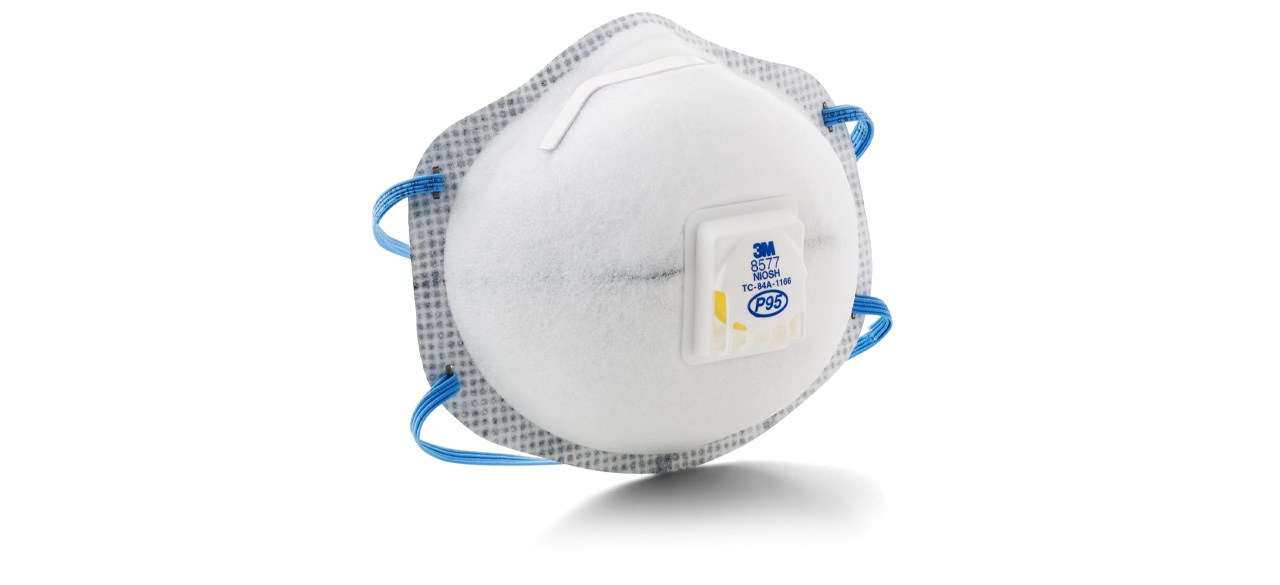
Comparison of P95 and N95 Masks: Key Differences and Usage Explained
P95 vs. N95 Masks: Which Offers Better Protection?
In many industries, including construction, healthcare, and manufacturing, masks have become essential personal protective equipment. Understanding the effectiveness and function of various masks, particularly P95 and N95 types, is crucial for ensuring optimal safety in hazardous environments.
P95 and N95 are both classifications that signify the effectiveness of masks in filtering airborne particles. Specifically, both types are designed to protect wearers from inhaling a range of harmful particles, including microorganisms and fluids potentially linked to viral transmission. The “95” in their classification indicates that these masks can filter out at least 95% of particles from the air.
Overview of Mask Standards
Before delving into the distinctions between P95 and N95 masks, it’s important to grasp the broader context of mask standards. Disposable masks are typically categorized into three main types: single-use, surgical, and respirator masks.
– Single-use masks: These are the least protective, generally composed of a single layer with minimal filtration capabilities.
– Surgical masks: In the United States, these masks must filter at least 95% of small particles. However, manufacturing standards can vary internationally; for instance, a surgical mask made in China may only require a 30% filtration efficiency.
– Respirator masks: Certified respirators must filter at least 95% of small particles in the U.S. and China, although the criteria are slightly less stringent in Europe, where an 80% standard is acceptable.
P95 and N95 Ratings Explained
Although P95 and N95 masks share the same filtration effectiveness rating, they diverge in their oil resistance; P95 masks are specifically designed to be oil-proof, while N95 masks are not. This distinction makes P95 masks suitable for environments where oil exposure is a concern, such as certain industrial settings.
The P95 mask, often referred to as a dust mask, is effective against a variety of airborne hazards, including those found in wildfire scenarios. Typically, P95 masks are priced between to , but purchasing in bulk can lead to cost savings.
P95 masks became particularly valuable during the COVID-19 pandemic when N95 masks were in short supply. They can be reused if properly maintained, offering effective filtration against both oil-based and non-oil-based particles.
Conversely, N95 masks are predominantly used in healthcare settings, certified by the National Institute for Occupational Safety and Health (NIOSH) and the Centers for Disease Control and Prevention (CDC). Although they are slightly more affordable than P95 options, ranging from to each, they primarily protect against non-oil-based hazards.
Evaluating Mask Suitability
While both P95 and N95 masks provide high levels of protection, the choice between the two ultimately depends on the specific user environment. P95 masks offer versatility with their oil-resistance feature, while N95 masks serve as trusted medical-grade options tailored for healthcare professionals.
In terms of comfort and fit, both mask types are designed with snug elastic bands that secure them around the head, enhancing their protective capabilities. However, factors such as filter lifespan and contamination should be considered when selecting a mask.
Ultimately, while either option is effective for industrial and general use, P95 masks afford added protection in scenarios involving oil-based particles, potentially making them a more robust choice for prolonged or varied exposure.
As the landscape of personal protective equipment continues to evolve, understanding the unique benefits of P95 and N95 masks remains critical for personal safety and public health.
For ongoing updates on protective gear and other consumer information, check relevant resource platforms.


