
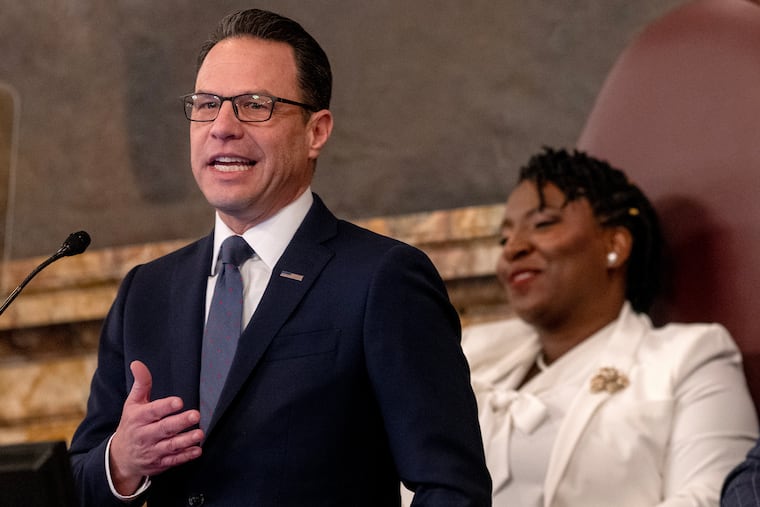
Governor Josh Shapiro announces housing plan offering protections for Pennsylvania renters and support for homebuyers.
In September 2024, Pennsylvania Governor Josh Shapiro took a significant step towards addressing the state’s housing crisis by signing an executive order to develop a comprehensive plan aimed at increasing and preserving the housing supply throughout Pennsylvania. Governor Shapiro is set to return to Philadelphia this Thursday to unveil the state’s Housing Action Plan, a strategic document that is expected to offer concrete recommendations guiding the state’s housing policy through 2035.
A crucial aspect of this plan is its reliance on collaboration among lawmakers, local officials, developers, and community stakeholders to enact meaningful change. The executive order outlines initiatives without attaching specific dollar amounts but emphasizes the need for local governments to facilitate a diverse range of housing options and urges builders to increase production. The plan seeks to eliminate barriers that currently hinder housing construction, creating a united front in addressing the pervasive issue of housing affordability.
As highlighted in the plan previewed by Media News Source, over one million households in Pennsylvania are classified as “cost burdened,” spending more than 30% of their income on housing. Addressing this challenge through increased housing availability is seen as a vital step in reducing living costs for residents across the state.
The Housing Action Plan responds to a pressing need, as projections indicate that Pennsylvania will face a shortage of approximately 185,000 homes by the year 2035. To meet the increasing demand, experts suggest that the state must add around 450,000 new homes by this timeline. Currently, Pennsylvania ranks 44th nationally in terms of new housing approvals from 2017 to 2023, according to findings by the Pew Charitable Trusts. This lack of new development has significantly contributed to rising housing costs for both renters and homeowners.
Moreover, the plan acknowledges the integral role of local development and policy changes to protect tenants and homeowners. It proposes an expansion of existing renter protections and suggests measures to stabilize rental costs in manufactured-home communities—an increasingly vulnerable sector given the rising influence of corporate landlords. Among other recommendations, initiatives to simplify the home buying process for first-time buyers and strategies to address legal obstacles related to property ownership are also outlined.
With these early steps, the Shapiro administration aims not only to tackle immediate housing concerns but also to position Pennsylvania as a leader in the housing development sector, fostering an environment where equitable and affordable home ownership becomes a reality for a greater number of residents. The successful implementation of these recommendations hinges upon collaboration across various levels of government and the enthusiastic involvement of the broader community.


