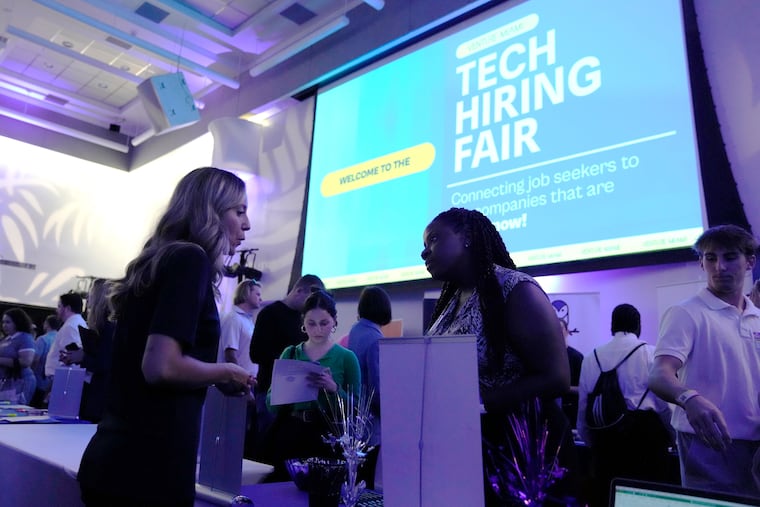
Many highly sought-after jobs in America are now at risk of being eliminated.
The technology sector, once emblematic of stability and growth, is currently experiencing a wave of layoffs and job insecurity that has left many professionals in a state of uncertainty. This shift is epitomized by the experiences of individuals like Justin Kirkwood, who transitioned from recruitment to become a technical project manager at Meta’s Seattle campus. Despite his initial sense of job security, Kirkwood was caught off guard when Meta announced layoffs affecting 11,000 employees in 2022 and subsequently faced his own job loss last month. The emotional toll of such instability has led him to reflect on the current landscape of the tech industry, which many workers now perceive as having transformed from a bastion of opportunity to a source of anxiety.
Echoing this sentiment, the tech industry faces a paradox as it simultaneously invests substantial resources into artificial intelligence (AI) while implementing significant workforce reductions. Major companies such as Amazon, Pinterest, Meta, and Microsoft have been making headlines with their layoffs, announcing reductions that have left thousands unemployed and instilling a sense of insecurity among remaining personnel. According to the Bureau of Labor Statistics, the average duration of unemployment is rising, highlighting the challenges workers encounter not only in tech but across various sectors.
Experts observe that the AI boom is not producing a significant influx of new jobs. Instead, it brings expectations of enhanced efficiency, resulting in companies restructuring to adapt to a rapidly changing landscape. Diane Swonk, chief economist at KPMG, points out that the current climate stands in stark contrast to previous tech booms, such as the dot-com surge of the late 1990s. The focus on operational efficiency as driven by AI advancements leads to fewer opportunities for new hires, leaving established employees and job seekers feeling the pressure of a static market.
The implications of these changes are particularly pronounced for younger workers entering the field. Stories abound of professionals like Frank Uribe-Medina, who after applying to numerous positions without success, questions the viability of a career in technology and reflects on how the assurance of job security has been undermined. Meanwhile, veterans within the industry express concern over a culture that now prioritizes performance under duress, often hesitating to voice concerns over AI implementations for fear of jeopardizing their careers.
In this evolving scenario, those who remain employed also find themselves grappling with an unsettling reality. Employees reportedly endure heightened expectations while seeking to navigate a potentially precarious future. Many have turned to unconventional strategies, including leveraging AI tools to enhance their job applications, highlighting the increasing integration of technology into the job search process itself.
The path forward remains unclear as the tech landscape continues to redefine itself amid economic shifts. Industry leaders may need to reassess how they approach workforce management and the implications of relying heavily on AI, as both job seekers and entrenched professionals navigate a new terrain characterized by unpredictability and the quest for job security. As many professionals like Kirkwood adapt to this new reality, they are left with the understanding that future employment may never again be taken for granted.
In summary, the tech industry’s current instability raises profound questions about the future of work, job security, and the role of cutting-edge technologies in shaping the employment landscape. As these developments unfold, both companies and employees will need to strategize and adapt to a rapidly evolving environment to ensure their resilience in the face of ongoing uncertainties.
Media News Source.