
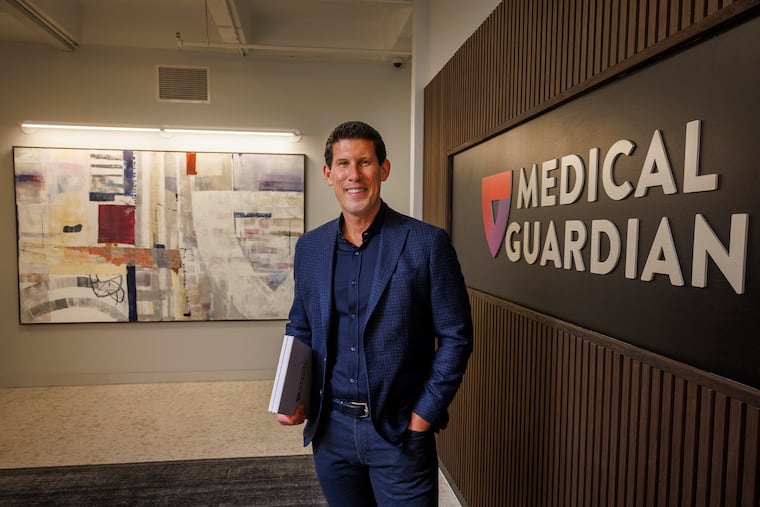
Philadelphia company announces plans to address caregiver crisis after two decades of growth.
In an era where the aging population increasingly demands innovative solutions, Medical Guardian stands at the forefront of the personal emergency response industry. Founded in 2005 by Geoff Gross in his Center City apartment, Medical Guardian has grown exponentially over the past two decades, emphasizing the importance of independent living for older adults and individuals with disabilities. Initially, Gross identified a significant gap in the market where emergency response systems were designed primarily for reactive situations rather than preventive measures.
Today, Medical Guardian boasts an impressive roster of approximately 630,000 active members, who benefit from a range of lightweight medical alert devices that resemble trendy accessories such as smartwatches. These devices not only offer emergency assistance but also allow users to monitor health metrics and daily activity, catering to a demographic increasingly concerned with personal health management.
With over 600 employees and projected annual revenues nearing 0 million, Medical Guardian is well-positioned to address the pressing challenge of aging in place, a critical issue as U.S. Census data indicates that by 2034, the number of older adults in America will outnumber children for the first time. This demographic shift places immense pressure on families and healthcare systems. Meanwhile, traditional caregiving models are proving less sustainable—a trend highlighted by recent studies showing more than 53 million Americans serve as unpaid caregivers, contributing approximately 0 billion in unaccounted labor annually.
Gross emphasizes that caregiving is evolving into a public health and economic concern, necessitating a shift in technology focus. While many existing technologies concentrate solely on emergencies, medical alert systems must also provide daily support and reassurance to caregivers and the individuals they assist.
Medical Guardian seeks to empower its users by enabling them to maintain control over their daily lives while ensuring their safety. The company’s services are not only beneficial for emergency situations but also serve to ease the daily anxiety associated with aging and independence. Feedback from users indicates that the reassurance provided by these devices enhances their confidence, allowing them to engage more fully in their everyday activities.
Particularly in metropolitan areas like Philadelphia, the company’s footprint extends beyond merely providing medical devices. It engages closely with local healthcare entities and community organizations to create a holistic support system for aging adults. Gross notes that while competing technologies, such as smartwatches, offer various features, they may lack the specialized focus that Medical Guardian provides for older adults, emphasizing usability and reliability over excessive functionality.
By utilizing advanced technologies coupled with a personalized approach, Medical Guardian aims to facilitate a dignified aging process for individuals, allowing them to thrive in their communities. As the company navigates an ever-evolving demographic landscape, its commitment to enhancing the quality of life for older adults remains steadfast, reaffirming its critical role in the future of senior care and independence.
In conclusion, as the U.S. grapples with an aging population, Medical Guardian’s innovative solutions serve as a vital resource for fostering independence and providing peace of mind for families, positioning it as a leader in the personal health technology space.


