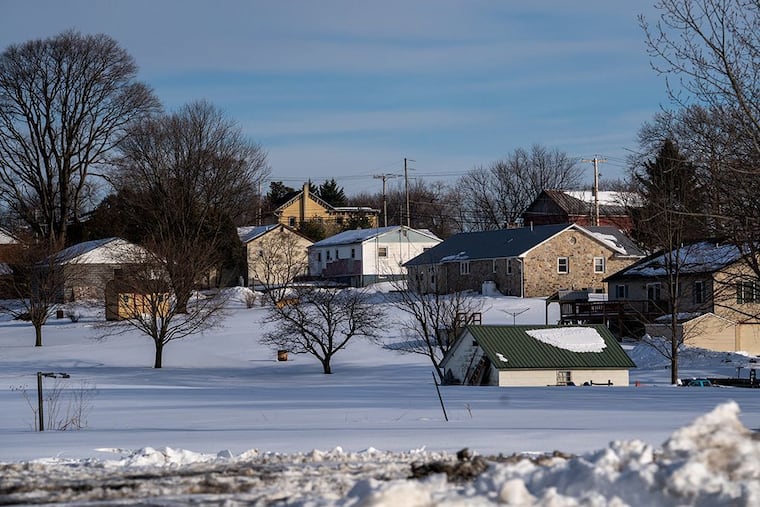
ICE detention centers in Pennsylvania may exceed capacity of sewer and other essential services, officials warn.
In Upper Bern Township, Pennsylvania, concerns are mounting over federal plans to convert vacant warehouses in Berks and Schuylkill Counties into large-scale Immigration and Customs Enforcement (ICE) detention facilities. Local leaders, public officials, and residents are raising alarms about the potential impact on community infrastructure and public services, describing the situation as a looming crisis.
The Department of Homeland Security (DHS) recently announced its intent to convert these sites into processing centers, asserting that they would not pose a detrimental effect on the local community. However, state officials, caught off guard by this revelation, argue that the conversion may violate legal requirements related to public drinking water, sewage management, and environmental protections.
In a jointly signed letter addressed to Homeland Security Secretary Kristi Noem, prominent state officials in emergency management, environmental protection, and health explicitly requested that the federal agency reconsider its plans. They underscored the strains such operations could impose on local infrastructure, jeopardizing Pennsylvanians’ access to clean water and overburdening emergency services already facing increased demand.
Current systems in place are ill-equipped to manage the anticipated demands presented by the proposed facilities. For instance, a planned 1,500-bed facility would generate over 100,000 gallons of sewage daily, far exceeding the current capacity of local treatment facilities, which can handle only 131,000 gallons per day. This colossal increase in wastewater production raises concerns about potential contamination, as local leaders and engineers assert that existing resources are insufficient to support such operations.
Compounding these issues, the region relies heavily on well systems for potable water, with local township officials highlighting that the necessary infrastructure to supply adequate drinking water for the increased population simply does not exist. Currently, residents depend on limited wells, which would face unprecedented strain if the expected influx of detainees occurs.
In addition to environmental impacts, the plans are seen as a direct threat to the emergency response capabilities of Upper Bern Township. Local EMT services are already under duress and fear that the establishment of an ICE facility could result in a dramatic rise in emergency calls, straining already stretched resources. Almost universally, emergency service providers have expressed skepticism regarding their ability to adequately respond to crises that might emerge from an expanded population without additional staffing and resources.
Concerns about public safety also extend to the broader community. Residents near the proposed detention centers have expressed anxiety over the potential for increased crime and disruptions to daily life, citing worries about road access and the implications for local recreation areas.
With the acquisition of the warehouse for approximately .4 million, the local municipalities stand to lose vital revenue, which previously served to fund local education and essential services. The loss of property taxes has raised further alarm about fiscal implications for the community amid already strained budgets.
As local officials and residents await further clarity from the DHS, the conversation surrounding these proposed projects continues. The consequences of these decisions, particularly in terms of community cohesion and public safety, could prove significant in the months to come.
The absence of open communication between federal representatives and local authorities has only fueled concerns, emphasizing the pressing need for dialogue and planning as these policies take shape. As developments unfold, the residents of Upper Bern Township and the surrounding areas remain vigilant, advocating for their needs and the sustainability of their community.