Legal challenges possible for Trump’s latest tariffs as deadline approaches.
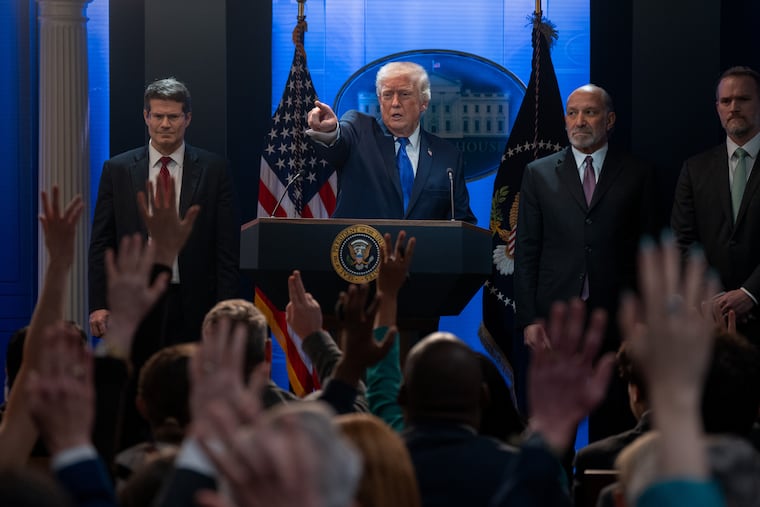
President Donald Trump has newly imposed tariffs that have sparked considerable debate among economists and trade experts regarding their legality and justification. Following the Supreme Court’s annulment of emergency tariffs from the previous year, Trump announced a 10% global import tax, which he later increased to 15%, invoking a provision from a 1974 law intended to address “fundamental international payments problems.”
In his proclamation, Trump asserted that the U.S. is facing a significant balance-of-payments deficit, indicating concerns regarding the country’s financial transactions with foreign entities. He pointed to various economic indicators substantiating his claims. However, critics argue that there is a lack of fundamental problems warranting such drastic measures. Economists, including Gita Gopinath, the former chief economist of the International Monetary Fund, contend that the U.S. does not have a payments issue since it has the capacity to finance its trade deficits. Andrew McCarthy, a legal commentator, echoed these sentiments, criticizing the legality of the new tariffs as even more questionable than previous ones instituted under the International Emergency Economic Powers Act.
As the new tariffs came into effect, immediate backlash emerged, indicating potential legal ramifications as the President might face challenges regarding his economic policies. Legal experts, including Scott Lincicome from the Cato Institute, foresee lawsuits from U.S. importers compelled to pay these tariffs, with organizations like the Liberty Justice Center closely monitoring the situation. Their focus lies on ensuring that the executive branch adheres strictly to the laws established by Congress and maintains the constitutional framework governing separated powers.
The discourse surrounding the Section 122 tariffs not only highlights legal complexities but also reflects the broader implications of Trump’s agenda to reshape the international trading landscape. Although Congress has authorized the President to levy tariffs, the context under which this power can be exercised remains contentious. Notably, judges may hesitate to intervene in executive decisions regarding perceived payments issues, complicating the landscape further.
Historically, the Trade Act of 1974 was enacted during a period characterized by distinct economic troubles, markedly different from current circumstances. While the dollar has seen a slight decline, indicators suggest no imminent financial crisis akin to those faced in the past. Nevertheless, some economists raise alarms about underlying imbalances, particularly regarding the U.S.’s ongoing current account deficit and its implications for national debt. Though the current economic climate may seem stable to many analysts, others caution about long-term risks tied to the country’s external debt and investment position, indicating a potential need for reevaluation of fiscal policies and trade strategies.
As the administration navigates these turbulent waters, the effectiveness and legality of its actions remain under scrutiny, with significant implications for the U.S. economy and its standing in the global marketplace. The outcome of ongoing debates and potential legal challenges could redefine the approach to international trade regulation.
Media News Source