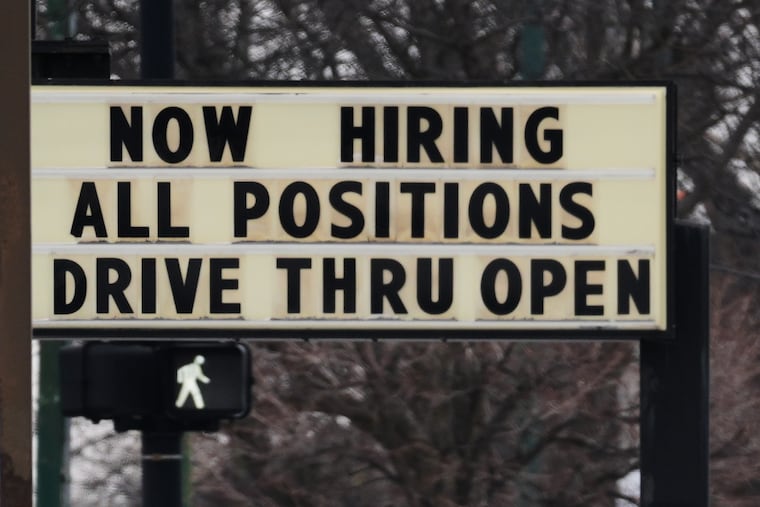
US jobless aid applications increased slightly to 212,000 while layoffs continue to maintain historically low levels.
In a recent report from the Labor Department, it was noted that the number of Americans filing for unemployment benefits for the week ending February 21 rose by 4,000, reaching a total of 212,000 claims. This increase aligns with expert predictions from analysts surveyed by FactSet, illustrating that while the job market remains relatively stable, fluctuations in unemployment claims continue to occur.
Filings for unemployment benefits serve as an important indicator of layoffs within the U.S. job market, providing insights into overall labor market health. Earlier this month, the Labor Department revealed that U.S. employers added a surprising 130,000 jobs in January, resulting in a slight decrease in the unemployment rate from 4.4% to 4.3%. However, recent government revisions have adjusted the payroll numbers significantly downward. The changes indicate that the number of jobs created in 2023 will be reduced by hundreds of thousands, revising the total down to just 181,000, which marks a stark decline from the previously reported figure of 584,000. This new estimate represents one of the weakest performance metrics since the pandemic’s onset in 2020.
Despite a historical trend of weekly layoffs averaging between 200,000 and 250,000, several high-profile companies including UPS, Amazon, Dow, and The Washington Post have recently announced job cuts, contributing to growing concerns about the stability of the job market. Furthermore, the Labor Department’s data for December indicated that job openings fell to their lowest level in over five years, signaling potential challenges in the hiring landscape.
Currently, many economists describe the U.S. labor market as being in a “low-hire, low-fire” state, with the unemployment rate remaining historically low. Nonetheless, this environment leaves those out of work encountering difficulties in securing new employment. A general slowdown in hiring has become evident over the past year, attributed in part to uncertainties stemming from geopolitical tensions and the effects of high-interest rates implemented by the Federal Reserve in 2022 and 2023, aimed at controlling inflation.
As the Federal Reserve contemplates its next moves, some officials have expressed concerns that last year’s lackluster hiring signals that elevated borrowing costs are suppressing economic growth and deterring business expansion. The anticipated February jobs report, set to be released next week, will provide further clarity on the ongoing trends in the labor market. Notably, the Labor Department’s latest report also indicated that the four-week moving average of jobless claims increased modestly to 220,250, highlighting continued volatility in unemployment data, while the total claims for the week ending February 14 fell by 31,000 to 1.83 million.
As the labor market navigates these complexities, both analysts and policymakers are keenly watching the evolving data for insights that could influence future economic directions.
Media News Source.