Shapiro Secures Major Business Support in Latest Developments
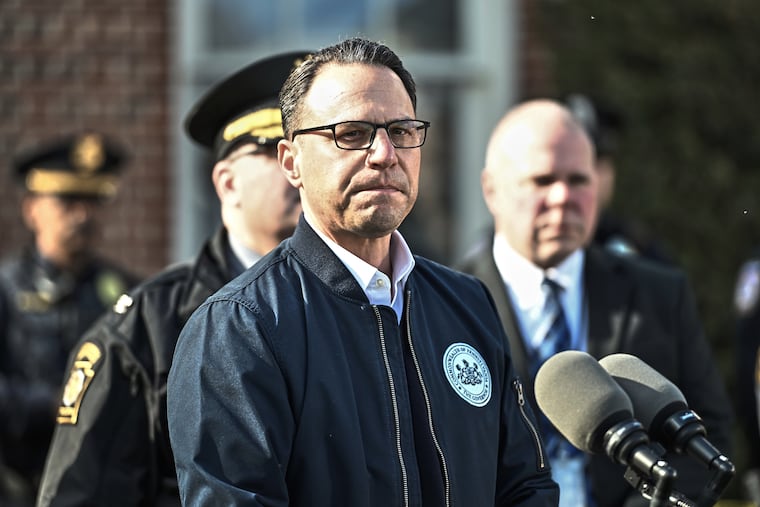
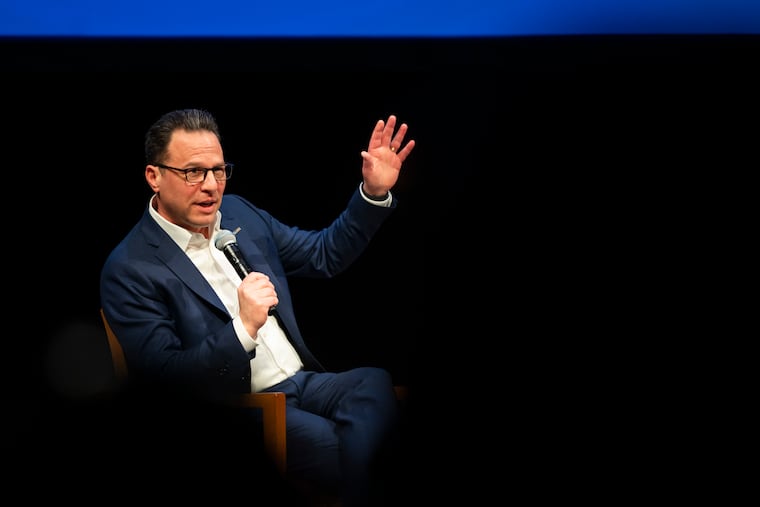
As Pennsylvania Governor Josh Shapiro embarks on his reelection campaign, his reputation as a pragmatic, business-friendly leader is manifesting through substantial financial backing from prominent CEOs and businesses. In a demonstration of significant support, nearly 240 executives contributed approximately .6 million to Shapiro’s campaign during the previous year. This amount includes donations from 27 individuals who each contributed 0,000 or more. Notably, many of these donations originate from those with vested interests in Pennsylvania’s policymaking landscape, indicating a potential intertwining of business interests and political influence.
The breadth of Shapiro’s financial support encompasses various industries, from coal mining to real estate and gambling. Some donors have connections that extend beyond Pennsylvania, including a Baltimore-based CEO aiming to revive a nuclear reactor in Harrisburg and a Florida data center developer considering expansion into the state. This influx of campaign contributions could also stimulate discussions, especially as Shapiro contemplates a potential presidential run in 2028, with the implications of campaign financing in the public eye.
In a separate but relevant narrative, retail dynamics are shifting as legacy brands attempt to re-engage younger consumers. Executives at Cherry Hill Mall are optimistic that established names such as Coach can attract a new generation of shoppers, particularly Millennials and Gen Z. Coach, an iconic luxury brand with 85 years of history, has witnessed a resurgence in popularity among younger demographics, who appreciate its more accessible price points compared to other luxury brands. This renewed interest is fueled by a cultural nostalgia for the late 1990s and early 2000s, further amplified by social media trends.
The opening of a new Coach store in Cherry Hill Mall stands as a testament to this strategic push for revitalizing physical retail spaces, especially as many regional malls close due to changing consumer habits. Retail authorities believe that if legacy brands adapt to contemporary trends successfully, they can play an essential role in invigorating the in-person shopping experience.
These inconspicuously interrelated narratives of political fundraising and evolving retail strategies reflect broader themes of economic influence and consumer behavior in Pennsylvania. Observers will be keen to monitor how these factors interplay in the state’s political and business landscapes as major events unfold in the coming months.
Media News Source