
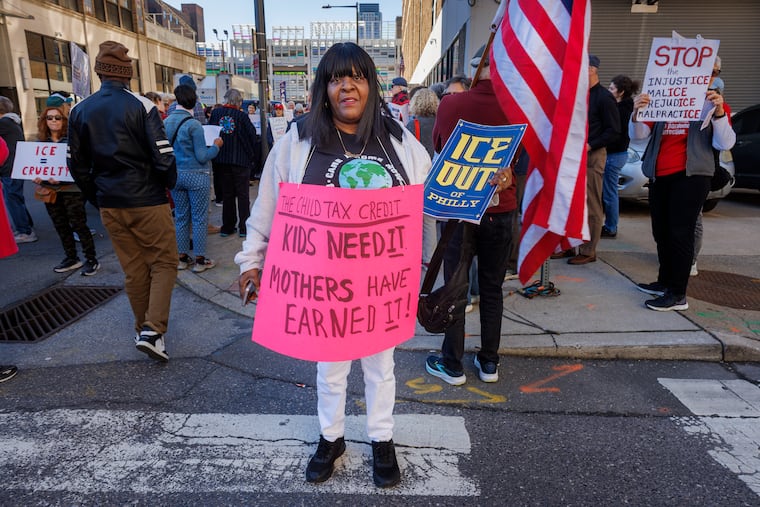
Grandmother and her three grandchildren navigate challenges after SNAP cuts implemented during Trump administration.
In today’s evolving socio-economic landscape, individuals like Carolyn Hill serve as poignant examples of the challenges many face amid tightening financial constraints. Hill, a 68-year-old grandmother from the Hunting Park neighborhood of North Philadelphia, has long embraced the role of nurturer in her family, regularly preparing soul food meals that reflect the traditions of her upbringing. However, recent changes in the Supplemental Nutrition Assistance Program (SNAP) have dramatically impacted her ability to provide these meals.
Historically, Hill relied on monthly SNAP benefits of approximately 0 to support her family’s needs. Yet, due to recent regulations, her benefits have been slashed to 1 as of late last year, and further reduced to 9 in January 2024. These cuts coincide with new eligibility requirements, introduced under the Trump administration’s “One Big Beautiful Bill Act,” which necessitate that childless, able-bodied adults aged 18 to 54 work a minimum of 20 hours per week, pursue educational opportunities, or volunteer to qualify for assistance.
In a recent State of the Union address, President Trump highlighted a reduction in SNAP participants, claiming that 2.4 million Americans had successfully transitioned off the program. However, many view this as a misrepresentation, as individuals like Hill are not exiting the program by choice but are instead being forced out, exacerbating food insecurity for countless families.
As grocery costs soar, the situation is even more dire. Hill indicated that the price of eggs has reached nearly per dozen, with other staple items like beef following suit in rising costs. This inflation creates difficult decisions for her; she often weighs the need for groceries against paying bills, with sustenance usually prevailing.
In an effort to mitigate these changes, Hill seeks assistance from relatives and engages in strategic shopping at discount retailers, navigating around the city to maximize her limited resources. She actively participates in food giveaways to ensure her grandchildren—aged 12, 14, and 18—receive nourishment that extends beyond quick, processed meals.
Community organizations such as the Philadelphia Unemployment Project are stepping in to support local recipients as they adapt to SNAP’s changing landscape. Their initiatives include social media campaigns to raise awareness and assist those affected by benefit cuts.
While many commend these grassroots efforts, a broader reliance on government support is necessary. The current administration’s policies appear to prioritize tax relief for affluent individuals over comprehensive strategies to ensure food security for vulnerable populations.
As Hill continues her advocacy journey, including participating in recent marches for issues like SNAP cuts, she embodies resilience in the face of adversity. Her determination to provide for her family underscores the ongoing struggle of many Americans navigating food insecurity in an era marked by rising costs and changing governmental support structures. Community support and personal fortitude are indeed pivotal as the U.S. grapples with the pressing issue of food affordability.


