Mayor Parker announces renewal of SEPTA’s Zero Fare program, detailing benefits for riders.
In a move aimed at supporting low-income residents, Philadelphia’s Zero Fare program, which provides free SEPTA passes to thousands of low-income individuals, has been extended for another year. Mayor Cherelle L. Parker has allocated million for the initiative in her proposed billion budget for the fiscal year 2026-2027.
Zero Fare is designed to assist those earning at or below 150% of the federal poverty level. Without continued funding, the program would have faced termination by June 30. Concerns about its sustainability had previously prompted transit advocates, political figures, and labor leaders to voice their alarm, fearing potential cuts or cancellation of the program.
Last year, Parker’s budget had initially called for the termination of Zero Fare, which began as a two-year pilot program in 2023. However, public outcry—including protests and comments from former Mayor Jim Kenney—resulted in the reinstatement of funding. Consequently, the program was extended at an estimated cost of million, reflecting the community’s demand for affordable transportation options.
With SEPTA’s base fare set at .90, low-income workers have utilized the Zero Fare program as a lifeline, alleviating the burden of transportation costs, which can significantly impact their income. For instance, a Pennsylvania minimum wage worker earning .25 per hour would need to work nearly 48 minutes each day just to cover transportation costs to and from work.
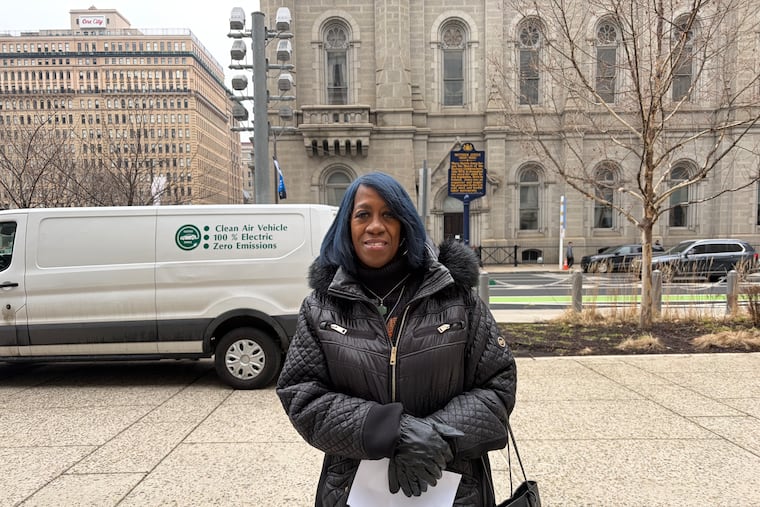
The program has made a tangible difference in the lives of its participants. Gloria “Smooches” Cartagena, a community organizer, spoke of its importance in easing financial anxiety, allowing her to allocate funds for her family’s needs. She emphasized that the Zero Fare card provides her with a sense of security as she navigates the rising costs of living, including those of food and housing.
Similarly, Regina Johnson, a records administrator, highlighted the card’s role in her daily commuting and leisure activities, alleviating concerns about insufficient funds. The Zero Fare card enabled her to access public transportation without the stress of balancing her finances.
LaVerne Boateng, a retired city worker, reflected on the convenience and peace of mind the Zero Fare program offers her as a disabled individual reliant on public transportation for medical appointments and other essential errands. Without the program, she estimates she would spend approximately to weekly out of pocket, an unaffordable expense on a limited budget.
The continued existence of the Zero Fare program not only assists individuals in overcoming economic barriers but also underscores the crucial role of public transport in fostering equitable access to opportunities in Philadelphia. As the budget proposal progresses, the community will undoubtedly keep a close eye on its fate, expressing hope that this vital service remains intact for those who rely on it.
Media News Source