Councilmember Lozada may end support for Land Bank projects in North Philadelphia.
This week’s edition of Shackamaxon delves into pressing local housing matters, focusing on various initiatives, including Philadelphia’s ongoing challenge of launching Land Bank projects, the Southeastern Pennsylvania Transportation Authority’s (SEPTA) new quality of life initiative, and an overview of the mayor’s budget address.
In the wake of rising housing costs, Narberth Borough in Montgomery County has garnered attention for considering innovative housing strategies. Traditionally one of the more affordable areas in the affluent Main Line, Narberth is experiencing a swift appreciation in home values that is outpacing the county average. This situation presents a dual challenge: while homeowners benefit from increased equity, families striving to establish roots in the community face obstacles. In response, borough leaders are advocating for rezoning initiatives aimed at revitalizing downtown shopping areas while creating more inclusive housing options.
The proposal, however, remains under scrutiny. Some residents and borough council members express concerns regarding potential changes to building height and density, critical factors in making housing more accessible. Council member Michael Gaudini highlights the importance of housing diversity, referencing his family’s immigrant history in the area and the successful integration of rowhouses that were once controversial.
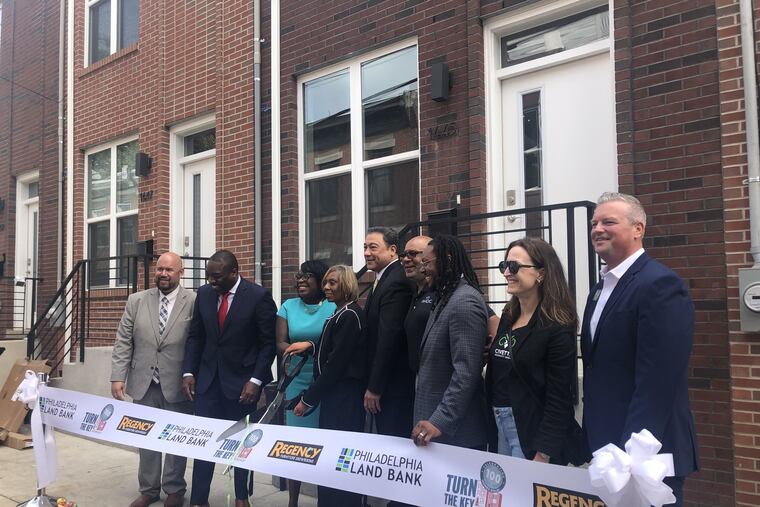
Turning to urban development issues in Philadelphia, recent proposals for 30 new rowhouses under the “Turn the Key” affordable housing program have encountered significant pushback. Following extensive deliberation, this initiative finally received approval from the Land Bank board but now awaits the backing of Councilmember Quetcy Lozada, who opposes the development due to community concerns regarding displacement. Despite her apprehensions, evidence suggests that such projects do not typically lead to the displacement of existing residents, and they aim to provide workforce housing for approximately ,300 per month—a compelling offer in the current market.
In a broader context, SEPTA is introducing two new initiatives designed to enhance the safety and quality of service for transit riders. With an increase in officer recruitment, new patrols will address various quality-of-life issues on trains. Meanwhile, an additional civilian team is dedicated to monitoring the agency’s extensive camera network, enabling proactive responses to incidents as they are reported.
Lastly, Mayor Cherelle Parker’s recent budget address stretched over two hours, notable not only for its length but also for its modest policy proposals. While Parker’s objectives include promising new investments, experts suggest that without confronting the foundational challenges posed by city council dynamics, such initiatives may lack the transformative impact needed to enhance economic mobility citywide. The emphasis now falls on whether Parker can mobilize more substantial change amid prevailing legislative resistances.
With these critical developments, the focus remains on how local governance can adapt to emerging needs while fostering community engagement and progress through innovative housing and transit solutions.
Media News Source