
Education decisions are shaped by historical factors, not predetermined.
The School District of Philadelphia has unveiled a list of schools marked for closure due to declining enrollment, decreasing funding, and significant demographic changes. This phenomenon reflects a long-standing pattern that has disproportionately affected the city’s Black families and youth. For decades, similar closures have been observed in major urban centers such as Chicago and Detroit, raising concerns about the systemic inequalities ingrained in the educational landscape.
One poignant illustration of this issue can be seen through the story of Germantown High School, which closed in 2013, just before its centennial anniversary. This institution served as both an educational and cultural hub for the community, exemplifying the impact of school closures on local demographics and support structures.
William T. Coleman Jr., a notable figure born in Germantown, experienced firsthand the implications of educational inequality. Raised in a middle-class Black family, he attended public schools in the area, where his father significantly contributed to community welfare as director of the Wissahickon Boys Club. His mother, Laura Mason Coleman, also played an essential role as an educator within the segregated public school system.
Coleman’s educational journey, marked by exposure to different school environments, underscores the disparities in resources available to predominantly Black students versus their white counterparts. He attended the all-Black Meehan Elementary School and Hill Elementary School, where educators focused on enhancing his knowledge of Black history and culture. However, his brief exposure to the all-white Edwin Fitler Elementary School revealed a stark contrast in educational facilities and opportunities.
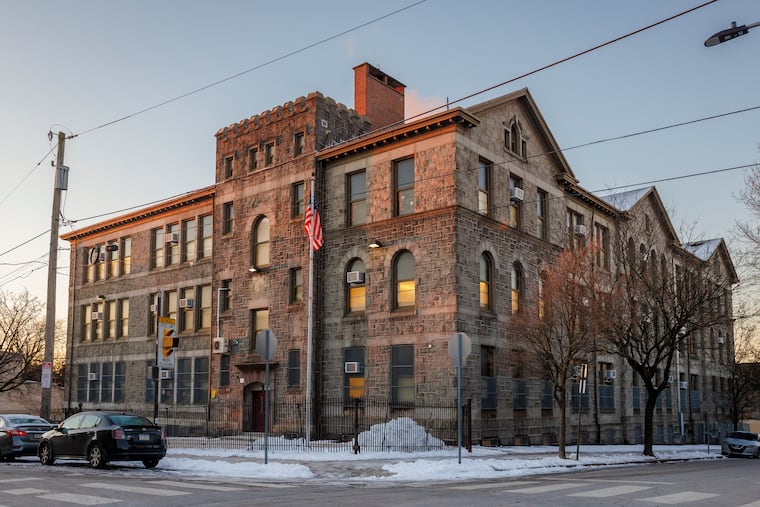
Fitler, now known as Edwin Fitler Academic Plus School, is included in the latest closure proposals despite its historical significance in discussions on educational equity. Once serving white children in a segregated system, it now caters primarily to Black students, highlighting a troubling cycle of disinvestment that has left communities vulnerable.
The conversation around school closures is increasingly urgent as Philadelphia grapples with challenges such as declining enrollment and persistent resource disparities—issues that have deep historical roots and implications for the future. While many may deem these closures inevitable, the reality is that they are decisions made by those in power, reflecting a pattern of choices that have favored replication of inequality over equitable solutions.
The fate of Fitler and other schools is more than a matter of logistics; it speaks to the broader narrative of educational justice in Philadelphia. As the community faces this pivotal moment, it is essential to consider the historical context and to advocate for choices that prioritize equality and access to quality education for all students. This ongoing struggle for educational equity is not merely about the survival of institutions but rather the well-being and potential of generations to come.
The decisions regarding school closures are not set in stone; they represent a critical opportunity for dialogue and reform, urging stakeholders to reflect on past actions and make intentional choices for a more just educational future.
Media News Source.


