Investigation Launched into Private Equity’s Impact on Rising Childcare Costs
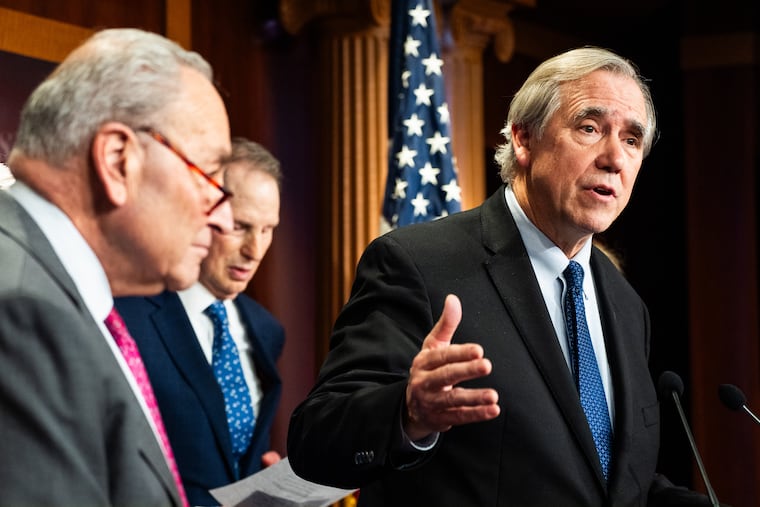
Democratic Senator Jeff Merkley of Oregon has initiated an investigation into the two largest for-profit childcare providers in the United States, KinderCare Learning Companies and Learning Care Group. This move comes as childcare costs continue to rise, putting additional pressure on families grappling with the broader cost of living crisis. With childcare prices increasingly a concern for voters, this inquiry seeks to scrutinize the financial practices of these companies amid growing public scrutiny of the childcare sector.
Merkley sent detailed letters to both KinderCare and Learning Care Group, along with their private equity owners, requesting a comprehensive range of financial records. The senator is particularly interested in understanding the companies’ ownership structures, pricing trends, safety protocols, and employment practices. As these companies significantly influence the childcare market and benefit from public subsidies, Merkley emphasized their responsibility to ensure that financial decisions do not compromise child safety or access to affordable childcare.
The inquiry raises several critical concerns regarding the impact of private equity ownership on childcare providers. Merkley noted that such ownership models may motivate profitability at the expense of staff wages and family-affordability. Studies have indicated a higher likelihood of operational issues and staffing shortages in for-profit childcare centers. The senator referenced multiple safety and labor-related complaints associated with facilities under the ownership of KinderCare and Learning Care Group.
Merkley expressed a desire to explore the broader implications of private equity in childcare, linking it to negative trends observed in other sectors such as healthcare and housing, where profit-centric models have been criticized for compromising service quality.
While both KinderCare and Learning Care Group publicly affirmed their commitment to providing safe, nurturing environments for children and fair workplaces for staff, they have also highlighted the need for better federal support for childcare. KinderCare noted that federal childcare funding averages less than 0 per child, which falls short of addressing the increasing costs of quality care.
Advocacy groups argue that the current federal funding model is insufficient to meet the needs of most families and that private equity can, in some cases, infuse necessary resources into the childcare industry. However, experts warn that pursuing profits as a primary objective may lead to higher costs and reduced care quality.
Private equity involvement is extensive within the childcare industry, with investments present in eight of the ten largest for-profit childcare organizations. Reports from the Congressional Research Service indicate that while private equity may increase competition, it could also exacerbate issues regarding cost and quality.
With KinderCare reporting .7 billion in revenue for 2025 and serving approximately 215,000 children, and Learning Care Group reporting .5 billion in revenue and serving over 165,000 children in 2023, the pressure on these organizations to maintain affordable pricing while ensuring high-quality care continues to mount. Additionally, research from Columbia University indicates that a significant portion of families—roughly one in five—has had to reduce childcare coverage or resort to inadequate options due to financial constraints.
This investigation by Senator Merkley is not only rooted in a desire for transparency but aims to inform future policy-making that could potentially reshape the childcare landscape for American families.