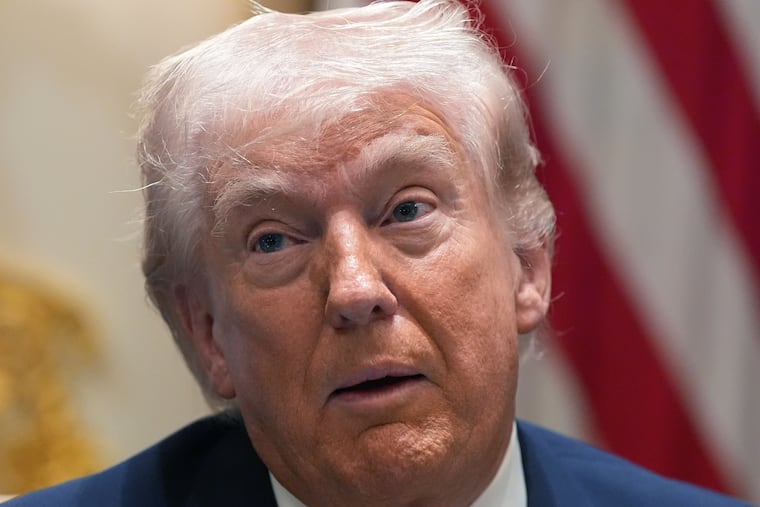
U.S. Treasury to feature Trump’s signature on new paper currency, marking a first for a sitting president.
The U.S. Treasury Department has announced plans to incorporate the signature of former President Donald Trump on all new U.S. paper currency, marking a significant departure from tradition. Historically, U.S. currency has featured the signatures of the Treasury Secretary and the Treasurer rather than that of the sitting president. This new initiative reflects ongoing efforts to immortalize Trump’s legacy in American culture, further aligning with his previous undertakings to affiliate his name with various national institutions.
This decision comes on the heels of Trump’s earlier alterations, which include naming the U.S. Institute of Peace after himself, as well as his associations with the Kennedy Center for the Performing Arts and the designation of a new class of naval battleships under his name. Such initiatives display a pattern by which Trump has sought to enhance his visibility in American society, often using public monuments and tokens of national pride as vehicles for this branding.
In addition to the currency alterations, the Treasury plans to issue a 24-karat gold commemorative coin featuring Trump’s likeness, coinciding with the 250th anniversary of the United States. This effort was recently approved by a federal arts commission and is intended as part of the nationwide celebrations scheduled for July 4.
According to Treasury officials, the inclusion of Trump’s signature is framed as a recognition of “the historic achievements of our great country.” Treasury Secretary Scott Bessent emphasized the significance of this decision, indicating that it serves as a powerful acknowledgment of the nation’s milestones. Meanwhile, U.S. Treasurer Brandon Beach echoed these sentiments, asserting that printing Trump’s signature on American currency is both “appropriate” and “well-deserved.”
The U.S. Bureau of Engraving and Printing, the agency responsible for producing all paper currency, is set to implement these changes in conjunction with the U.S. Mint, which manages the production of coins. The initiative, while controversial, is reflective of a distinctive moment in American currency history that intertwines with the legacy of a president who has often sought to make his mark within the public consciousness.
As the country prepares for its quarter-millennial celebrations, the impact of this decision on both historical discourse and current public sentiment remains to be seen, as discussions surrounding the interplay of politics, identity, and national representation continue to unfold.