Philadelphia Sheriff’s Office faces criticism for dysfunction while receiving praise from City Council.
This week’s commentary revisits various critical topics relevant to Philadelphia, highlighting the proposed Turn the Key housing initiative in Norris Square, the mayor’s ambitions for a tax on ride-sharing services, and recent actions by the City Council that may raise eyebrows among proponents of effective governance.
The discussion of urban development within Philadelphia often reveals a philosophical division between the office of the mayor and the City Council. Generally, mayors embrace development as a means to bolster the city’s fiscal health without resorting to tax hikes. In contrast, City Council members frequently view new construction as a burden, as they contend with constituents concerned about neighborhood disruptions and potential displacement.
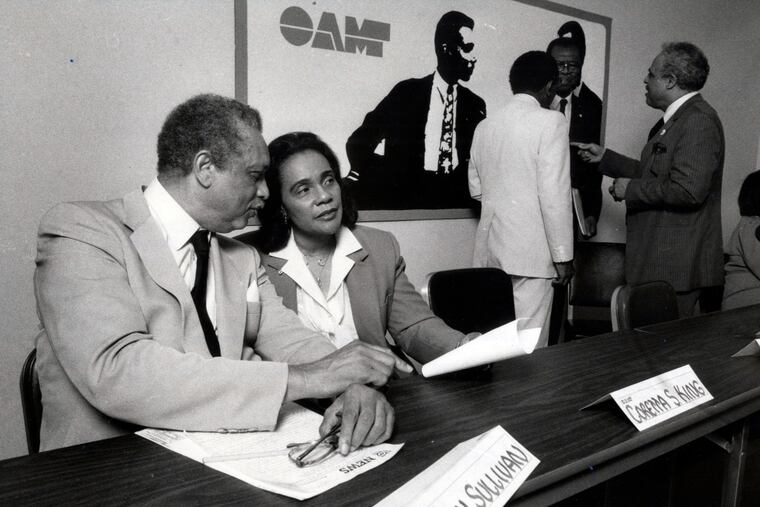
Historically, city policies have undeniably led to the displacement of long-time residents. Neighborhoods like Society Hill and Black Bottom have undergone significant transformations due to urban renewal efforts, resulting in the disenfranchisement of lower-income residents. The case of Society Hill, once a working-class area, underscores how redevelopment can drastically alter community identity, particularly when eminent domain and substantial federal funds are utilized.
In juxtaposition, a contemporary initiative in Norris Square aims to construct 30 rowhouses intended for working-class families, thus providing opportunities for wealth accumulation for those currently facing rising rents and home prices. This initiative is a response to the broader issue of affordability in a housing market where properties exceed 0,000 within the 19122 zip code. The pressing question remains: does halting the development of these 30 homes effectively influence a real estate market shaped by surrounding areas like Fishtown?
City Council has initiated several measures, including the senior tax freeze and the Longtime Owner Occupants Program, to alleviate the pressure of rising property taxes on established homeowners. However, approaches that restrict growth in a bid to maintain affordability have proven ineffective in other metropolitan areas. For instance, as cities like San Francisco have demonstrated, limiting construction can inadvertently result in high costs and gentrification, displacing long-standing communities instead of protecting them.
Meanwhile, the prospect of taxing ride-share services has emerged, with Councilmember Jeffery Young Jr. expressing skepticism regarding the financial implications of Mayor Cherelle L. Parker’s proposed tax per ride, projected to generate approximately million annually amid a .6 billion budget. Young highlights concerns about the visibility of any positive outcomes from such taxation, advocating instead for a direct connection to transit funding to enhance public transport services.
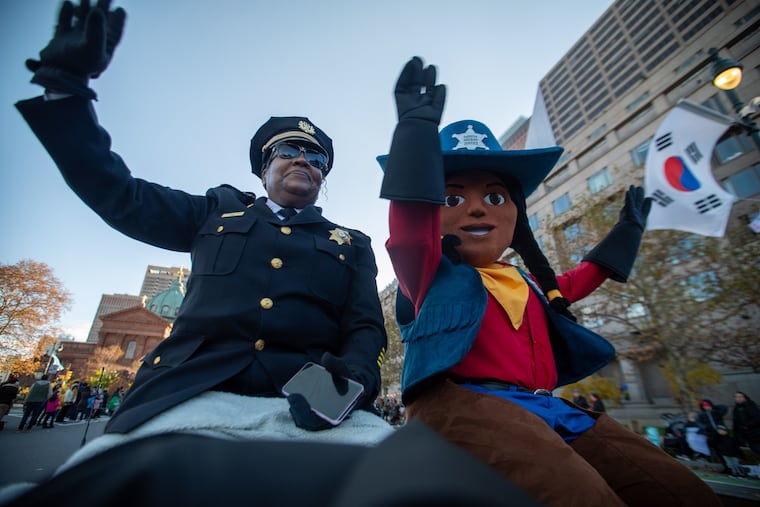
In a separate matter, the Philadelphia City Council’s recent recognition of Sheriff Rochelle Bilal raises questions about accountability within city offices. This honor coincided with criticism regarding her management of the sheriff’s office, which has faced lawsuits for failing to efficiently issue property deeds following auctions. The apparent paradox of commending performance amid ongoing operational deficiencies elicits concern from residents who expect integrity from public officials.
As Philadelphia navigates these pivotal issues—from housing affordability to the efficacy of public service—citizen engagement and critical scrutiny remain essential to ensuring that city governance aligns with the best interests of its residents and fosters a livable, inclusive urban landscape.