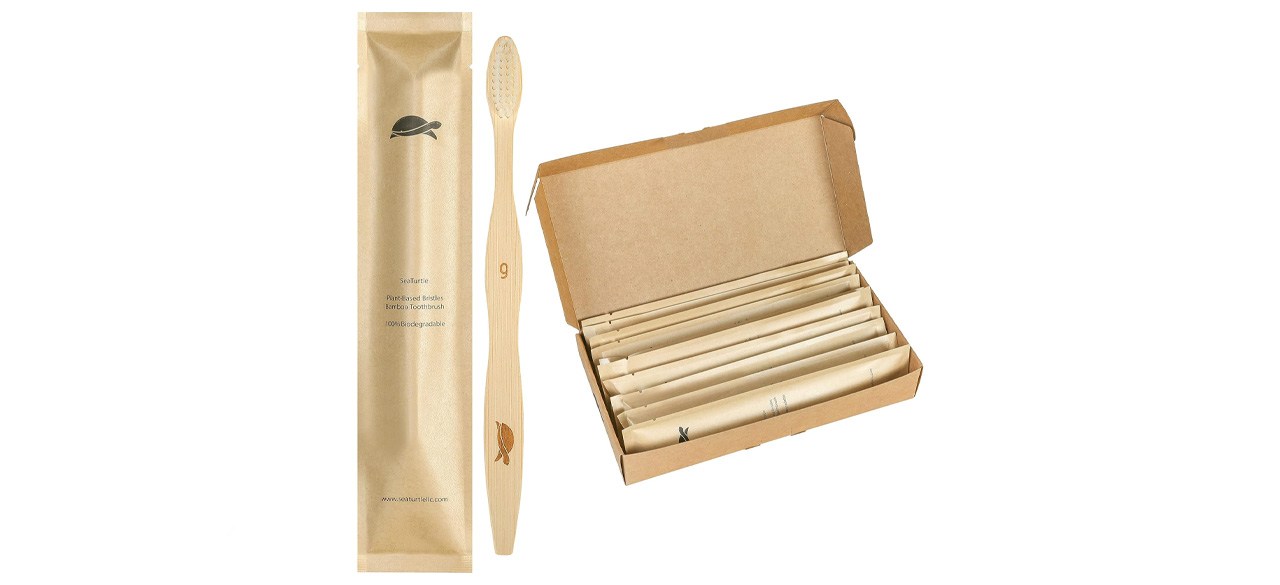
High-quality bamboo toothbrushes offer an eco-friendly option for sustainable oral care.
Bamboo Toothbrushes: A Step Towards Sustainable Oral Care
As environmental awareness grows, consumers are increasingly seeking products that align with eco-friendly practices. One such innovation in personal care is the bamboo toothbrush, a sustainable alternative to traditional plastic options. These toothbrushes not only serve as a healthier choice for individual dental hygiene but also contribute positively to the health of the planet.
Bamboo, known for its rapid renewability, serves as the primary material for the handles of these toothbrushes. The lightweight and durable nature of bamboo ensures that these brushes are practical, cost-effective, and an environmentally responsible choice.
Key Considerations for Bamboo Toothbrushes
When selecting bamboo toothbrushes, it is essential to pay attention to the construction of the bristles. The bristles of most bamboo toothbrushes are typically made from nylon, which, while effective, is not biodegradable and poses a disposal challenge. For consumers keen on fully eco-friendly options, alternatives such as boar hair or plant-based bristles—derived from sources like corn and tapioca—can be better options, though they are less common on the market.
Proper care is vital to maintaining the integrity of bamboo toothbrushes. The lightweight strength of bamboo allows it to withstand regular use, but it should be stored in a dry environment to prevent moisture-related damage. Users are advised to wipe off the handle after use and ensure that it remains dry to avoid warping.
Most bamboo toothbrushes are sold in packs, typically containing four brushes—an average amount that aligns with the frequency with which many individuals replace their toothbrushes. Some brands offer larger packs for families, ensuring that users can maintain a regular replacement schedule, which dental professionals recommend every two to four months.
In terms of disposal, the eco-conscious appeal of bamboo toothbrushes lies in their potential for repurposing, composting, or recycling. However, the nylon bristles require removal before disposal, highlighting the importance of being informed about local recycling regulations.
Choosing Quality Bamboo Toothbrushes
For those seeking enhanced oral hygiene benefits, some bamboo toothbrushes incorporate activated charcoal into their bristles. Charcoal is believed to possess natural whitening properties, making it a popular ingredient for consumers looking to brighten their smiles. Additionally, environmentally responsible brands often provide toothbrushes packaged in biodegradable materials, reducing the overall ecological footprint.
The aesthetic appeal of bamboo toothbrushes is another component worth noting. Many brands offer diverse colors and designs, allowing consumers to personalize their oral care routines. Bamboo’s engravable surface also allows for customization, enhancing its appeal.
Affordability of Bamboo Toothbrushes
Bamboo toothbrushes are available at a range of price points, typically costing between and for packs of four to eight brushes. This makes them a financially viable option for consumers aiming to practice sustainability while maintaining their dental care routine.
Conclusion
Bamboo toothbrushes represent a practical, eco-friendly alternative to traditional dental hygiene products. With considerations regarding bristles, care, packaging, and disposal, consumers can choose options that align with their values. As the market for sustainable products continues to grow, bamboo toothbrushes stand at the forefront of innovative approaches to everyday hygiene.
For those interested in exploring bamboo toothbrush offerings, various brands are committed to sustainable production practices, ensuring that consumers can make informed, environmentally-friendly choices in their daily lives.
Media News Source