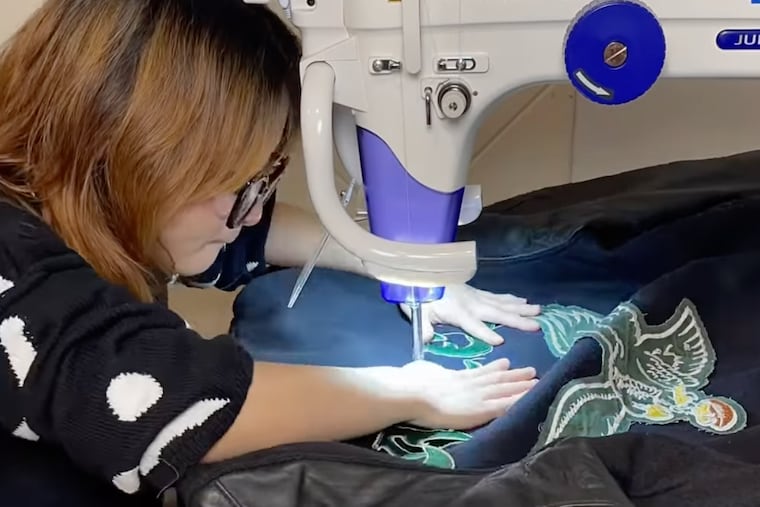
Vendors, gig workers, and therapists oppose Philadelphia’s new business tax, labeling it as detrimental to their livelihood.
Philadelphia’s small business landscape has recently undergone significant changes, with city officials implementing the Business Income and Receipts Tax (BIRT) for businesses generating sales below 0,000 for the first time. This policy shift mandates that all businesses, irrespective of their income, are liable for BIRT payments, previously exempting those under the 0,000 threshold. The tax structure, which now stands at .41 per ,000 in sales and .10 per ,000 in profits, has raised concerns among approximately 75,000 small-business owners facing unexpected financial burdens.
Small-business proprietors have expressed feelings of unpreparedness and frustration at the sudden onset of their tax obligations. Many, particularly sole proprietors, are struggling to reconcile the reality of owing significant sums, some upwards of ,700, alongside their customary tax responsibilities. This financial shock comes as a surprise, particularly as businesses are also expected to make quarterly tax payments in advance for the following year.
In response to this challenge, various groups have mobilized, advocating for legislative relief. Notably, a bill introduced by Councilmember Mike Driscoll aims to exempt sole proprietors from the BIRT, a measure supported by an array of local stakeholders including vendors, gig workers, and health care professionals. The initiative seeks to alleviate the financial strain on small businesses, which are often crucial to the local economy.
The Asian Pacific Islander Political Alliance has actively engaged with those affected by this tax, particularly targeting food-cart owners and gig economy participants. This outreach highlights the challenges faced by second-generation business owners who are now compelled to navigate the complexities of urban taxation alongside their entrepreneurial aspirations.
As advocates continue to push for reform, there are indications that city officials are cautiously receptive to the proposed exemptions. Meetings with finance officials reflect an awareness of the substantial burdens placed on the smallest businesses, acknowledging their vital role in sustaining Philadelphia’s vibrant economic fabric.
Public sentiment echoes a commendation for the efforts of entrepreneurs who have taken steps to organize and advocate for their interests, with many expressing disappointment in the perception that the city has not adequately considered the burdens imposed by such tax policies. Self-employed professionals, such as therapists and creative service providers, have shared their stories of financial distress, underscoring the importance of city policy in shaping the viability of local businesses.
As discussions progress, the Enterprise City Council’s support remains paramount. Advocates are keen to engage Mayor Cherelle Parker to prioritize these conversations, emphasizing that the survival of Philadelphia’s small businesses is integral not only to the economy but also to the community’s identity and resilience. The outcome of these deliberations will undoubtedly shape the future landscape for small business taxation within the city.