
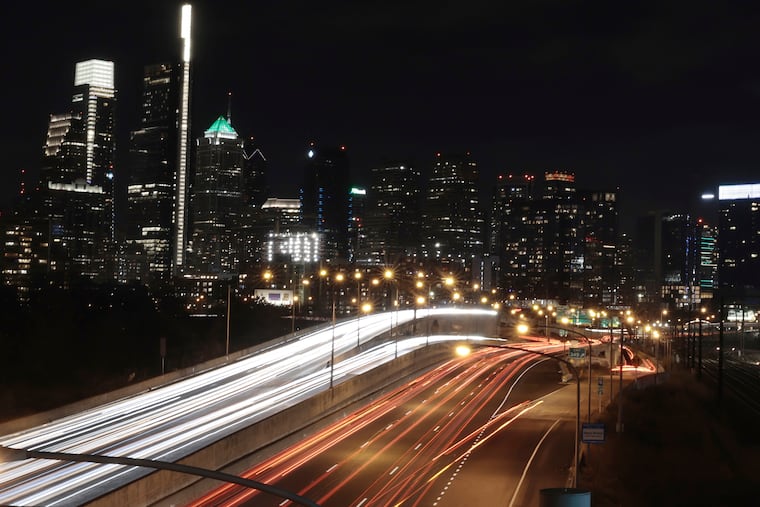
Center City District aims to reshape perceptions of Philadelphia’s downtown area.
Five years after the onset of the COVID-19 pandemic, Center City Philadelphia continues to navigate persistent misconceptions surrounding safety, the demand for office space, and the desirability of urban living. Despite data contradicting these narratives, such misconceptions remain prevalent and continue to influence local demographics and economic activity, according to insights from the Center City District, the business improvement district responsible for the area.
Prema Katari Gupta, president and CEO of the Center City District, noted the importance of addressing these narratives through data and community engagement initiatives, such as the “Open Streets” program, which temporarily closes streets to vehicle traffic in favor of pedestrian-friendly activities.
Recently, the Center City District released its annual report detailing the economic and social health of downtown Philadelphia. The report reinforces the organization’s vision that Center City serves as the heart of commerce, culture, and connection, thereby generating opportunities and prosperity for both the city and the surrounding region. Approximately 207,000 residents—about one in eight Philadelphians—live in the greater Center City area, which stretches from Girard Avenue to Tasker Street and spans between the Schuylkill and Delaware Rivers.
According to the report, pedestrian traffic in core Center City has rebounded to 90% of pre-pandemic levels by March 2023, equating to over 400,000 visitors daily. Philadelphia has climbed to seventh place among major downtowns in terms of foot traffic recovery; however, the pace of this recovery varies by distance from the downtown core, with visitors from suburban areas returning at a notably slower rate.
Employment trends paint a more optimistic picture. In 2024, Philadelphia reached a 45-year peak with more than 791,000 jobs, of which approximately 300,000 were concentrated in greater Center City—representing a significant portion of the city’s employment landscape. Data suggests that many positions in this area do not require a bachelor’s degree, making it a critical employment hub for a diverse range of workers.
The report highlights a notable shift in commuting patterns, indicating that a higher number of workers within Center City prefer to travel via walking, biking, or using public transit, whereas approximately 28% of workers in Philadelphia overall utilize their cars to reach their jobs. A positive trend in office occupation has emerged, with 63% of pre-pandemic office occupancy rates achieved in the West Market Street office district by the end of 2024.
Despite these encouraging signs, the report raises concerns over the excess of outdated office spaces in the area, as many businesses transition to newer, high-quality sites. Plans are underway to repurpose some of these underutilized office buildings into residential spaces, potentially providing over 1,000 new homes.
The revitalization of Center City is further augmented by the addition of 54 nightlife venues since 2022, which have enriched the local entertainment landscape and contributed to hotel revenue, which approached 0 million in 2024. However, challenges persist; international travel to Philadelphia remains hindered by global geopolitical factors, affecting tourism revenue.
In light of rising urban populations and changing travel habits, stakeholders emphasize the need for enhanced multimodal transportation infrastructure to accommodate these trends effectively. As Center City continues to evolve, the significance of addressing both economic revitalization and public sentiment will be crucial for the area’s long-term success.


