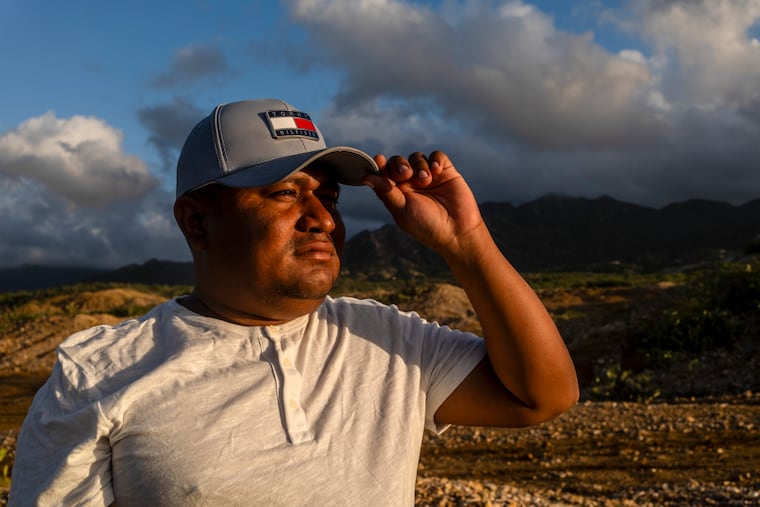
Courage is essential for transforming education in California, according to Lizette Valles.
The recent shift toward alternative education, particularly the rise of microschools, reflects a significant transformation in the landscape of learning in California. Initially prompted by the pandemic, families and educators alike began exploring innovative educational models that prioritize individual needs and foster deeper connections among students.
The pandemic highlighted the limitations of traditional online learning, especially for young children who thrive on interaction and exploration. Families began reevaluating their educational choices when they found that remote learning was insufficient for their curious and active children. Consequently, many turned to homeschooling as a more engaging alternative.
One innovative example is Ellemercito Learning Community, a hybrid homeschool and microschool in Southern California. Developed in response to the challenges posed by remote education, this program emphasizes a learning philosophy that is deeply rooted in connection, movement, and real-world relevance. The approach, termed delight-directed learning, encourages children to identify their passions and interests, fostering an environment where education is not merely a chore but a vibrant part of life.
Across California, an increasing number of families are seeking personalized learning experiences that cater to their children’s unique personalities and potential. This demand for microschools—small, community-focused educational establishments—is on the rise, offering tailored education away from the constraints of larger institutional frameworks. However, despite their growing popularity, microschools often encounter significant regulatory hurdles. Many founders face a fragmented system of zoning laws and approval processes designed for established institutions rather than for smaller, innovative educational setups.
In response to these challenges, Senate Bill 1086, introduced by Sen. Megan Dahle, aims to facilitate the establishment of microschools by streamlining local approval processes. This proposed legislation could enable new educational models to flourish and provide families with greater options for personalized learning.
The conversation surrounding education is evolving, focusing not only on academic achievements but also on holistic development. Families and educators are reimagining success, considering factors such as students’ sense of belonging, purpose, and love of learning. With the potential for diverse educational models—including STEM-focused microschools, performing arts conservatories, and bilingual learning communities—the future of education in California appears promising.
As the microschool movement gains momentum, it reflects a broader desire among families and founders to create education systems that resonate with the needs of the 21st century. In the face of regulatory challenges, communities are determined to foster human-centered learning environments that empower children to grow into confident, capable individuals. With the legislative framework adapting to these changing needs, the potential for a thriving, diverse educational ecosystem is within reach.
As California navigates this educational evolution, the collaboration between families, educators, and policymakers will be crucial in fostering environments where all learners can thrive.